

Civil Litigation in Kenya: Steps, Cases, and 2026 Trends
Imagine hiring a builder to add rooms to your Nairobi home. He takes a fat deposit and starts work with big promises. Weeks drag into months; he abandons the site, pockets vanish, and your dream extension sits half-built with crumbling walls.
You seethe with anger. Police shrug; no theft here, just broken promises. That’s where civil litigation steps in. It lets everyday Kenyans and businesses settle fights over money, property, or rights through court, not cuffs.
Civil litigation differs from criminal cases because you chase compensation, not punishment. A judge decides if the builder owes you damages under Kenya’s Civil Procedure Act. Picture the relief: court orders payment, your home finishes properly, stress fades.
Yet in 2026, courts groan under backlogs. The Court of Appeal juggles 14,300 pending cases alone. Trials stretch years for simple contract spats or property rows. As a result, mediation surges; Court-Annexed Mediation screens disputes first, unlocking quick deals worth billions.
Meanwhile, 2025 tweaks to the Civil Procedure Act introduce class actions. Groups now sue en masse over digital lending scams or faulty goods, skipping slow opt-ins. These shifts push faster justice amid rising complaints, like 28% more on loan harassment.
You face a neighbor’s land grab or supplier default? Civil litigation offers your path, but smart moves matter. For example, gather evidence early to avoid dismissal.
Next, we’ll map the full process from filing to verdict, spotlight common types like contracts and debts, and share tips to win despite delays.
How Civil Litigation Differs from Criminal Court Cases
Picture two paths in a Nairobi courthouse hallway. One leads to a quiet room where neighbors argue over a fence line. The other heads to a packed courtroom buzzing with police reports and stern warnings. Civil litigation handles the first; criminal cases tackle the second. In contrast, civil suits fix personal wrongs between you and another party. Criminal matters protect society from lawbreakers. As a result, you pick the right path to save time and stress.
These differences matter because people often mix them up. You might call police over a bounced cheque, only to hear it’s civil. Knowing this helps you act fast and smart.
Here’s a simple table to spot the key contrasts at a glance:
| Difference | Civil Litigation | Criminal Cases |
|---|---|---|
| Who starts it? | You (plaintiff) sue the other (defendant) | State (prosecutor) charges the accused |
| Goal? | Money damages, property return, or orders | Punishment like jail or fines |
| Proof needed? | More likely than not (over 50% chance) | Beyond reasonable doubt (almost certain) |
| Rules? | Civil Procedure Act | Criminal Procedure Code |
| Examples? | Car crash injury claim | Theft charge |

Kenya civil cases skip juries too. Judges decide alone. Therefore, focus stays on facts, not drama.
Who Brings the Case and What They Want
You start civil litigation as the plaintiff. You sue the defendant for harm they caused. For example, after a matatu crash, you claim medical bills from the driver. Courts award damages or an injunction to stop nuisances like noisy neighbors.
In contrast, criminal cases begin with police. A prosecutor from the Director of Public Prosecutions steps in. They chase jail time or fines for theft. No private party drives it. Society foots the bill.
As a result, civil goals fix your loss. Think compensation for a bad supplier deal. Criminal aims punish to deter others. You control your civil fight; the state runs criminal ones. This setup lets you seek justice without handcuffs.
The Bar for Winning Your Argument
Civil cases need the balance of probabilities. You prove your story rings more true than false. Picture a land row. You show old title deeds and witness tales. If the judge buys it over 50%, you win.
Criminal demands beyond reasonable doubt. Prosecutors stack ironclad proof. In a theft charge, they need CCTV, fingerprints, and alibis crushed. One loose thread means freedom.
Everyday examples help. A neighbor dents your car. In civil, your photos and repair quote tip the scale. For assault charges, police must erase all “what ifs” from minds. Civil feels fairer for small spats. As a result, more claims succeed there. Know this bar, and you build stronger cases from day one.
Step-by-Step Guide to a Civil Lawsuit in Kenya
You stand at the courthouse door, ready to fight for what’s yours. Civil litigation follows a clear path under Kenya’s Civil Procedure Act. Courts push for speed, so you hit timelines or risk dismissal. First, check basics like jurisdiction. Small claims under KSh 1 million go to Small Claims Court for a quick 60-day wrap. Bigger ones, up to KSh 20 million, land in Magistrate’s Courts. High Court handles unlimited stakes or land fights. Miss the mark, and judges bounce your case.
After that, file strong and serve fast. Pre-trial steps screen for mediation, where 80 percent settle. Trials follow if needed, leading to judgment and enforcement. Picture it like a relay race: drop the baton, and you lose. Here’s the full rundown, step by vivid step.

Check Your Case Before Filing
Pause before you charge in. Does your claim hold water? Courts demand solid merits. You must prove harm on the balance of probabilities, meaning your side tips over 50 percent likely true. Weak facts mean quick loss.
Next, confirm locus standi. You need direct skin in the game. A busybody neighbor can’t sue over your landlord spat; only you can. Without standing, doors slam shut.
Jurisdiction sets the stage too. Pick wrong, and restart elsewhere. Small Claims Court grabs debts under KSh 1 million. Magistrate’s Courts take mid-size rows. High Court rules big money or rights clashes.
Time ticks fast on limitation periods. Contracts die after six years from breach. Land recovery waits 12 years max; trespass just three. Miss it, and courts bar entry unless fraud hid the wrong.
Most importantly, try mediation first. Courts screen cases within 30 days of filing. It saves years and cash. Picture two foes shaking hands over coffee instead of fists in court. Strong cases settle there. Weak ones? They expose flaws early. Get a lawyer to vet this pre-filing checklist. You’ll dodge pitfalls and build momentum.
File Your Claim and Serve It Right
Ready? Draft your plaint, the heart of your suit. It spells the who, what, when of your gripe. Attach a statement of claim with facts, relief sought like damages, and sworn proof. Pay fees, file in the right court.
Serve summons next. You hand or post papers to the defendant within 15 days. Think of it as dropping bad news on their doorstep; they stare shocked as reality hits. Personal service works best, or court bailiffs handle it.
Defendants get 15 days to respond, or 30 if abroad. No defense? Seek default judgment. Courts award you win by default, but prove service first. Mess up service, and they dodge the bullet.
File sharp to avoid traps. A sloppy plaint invites strikes or dismissals. In small claims, skip lawyers; speak your oral claim. Meanwhile, front-load evidence now. It speeds the race ahead.
Navigate Pre-Trial Steps and Hearings
Pleadings kick off post-service. Defendant files defense. You reply if needed. Then, first mention hits within 30 days.
Court screens for mediation right away. Suitable? Parties huddle 30 to 60 days. Deals stick like glue; no appeals. Unsettled cases return tagged ready.
Directions follow at pre-trial, often 60 days from defense. Judges set timelines, bundle documents, list witnesses. Front-load everything; no surprises later.
Trial evidence shines here. Call witnesses, cross-examine sharp. High Court aims judgment in 30 to 90 days post-hearing. Small claims wrap same day or 14 days max. Adjournments? Rare now.
Meanwhile, stay active. File bundles, attend mentions. Picture lawyers trading barbs like market hagglers, but with affidavits. Miss steps, and judges strike pleadings. Flow tightens toward verdict.
Get the Judgment and Enforce It
Judge rules. You win damages for losses, specific cash sums. Or get an injunction to halt wrongs, like stopping a land grab. Decrees outline remedies clear.
Appeal if sore loser, but limited in small claims. Winner enforces within 12 years.
Seize assets next. Garnish wages, freeze banks, attach property. Bailiffs auction goods if unpaid. Takes three to six months usually.
Picture relief as cash flows in, debts cleared. Losers pay costs too. Enforce swift, or victory sours. Courts back strong winners; drag feet, and assets vanish.
Everyday Civil Disputes Kenyans Face Most
Kenyans run into civil litigation fights daily. Neighbors clash over fences. Suppliers skip payments. Drivers cause crashes. These spats fill courts because they seek money or fixes, not jail. Land rows top the list, followed by contracts, employment woes, family splits, and torts like injuries. Corruption in land offices sparks many, with bribes common. For instance, a farmer loses acres to a grabber. Similarly, a worker sues for unfair sack. Civil litigation fits because you prove harm on balance of probabilities. Courts like Magistrate’s or specialized ones handle them. Time limits apply strictly. Act fast, or doors close.
Contract and Debt Recovery Battles
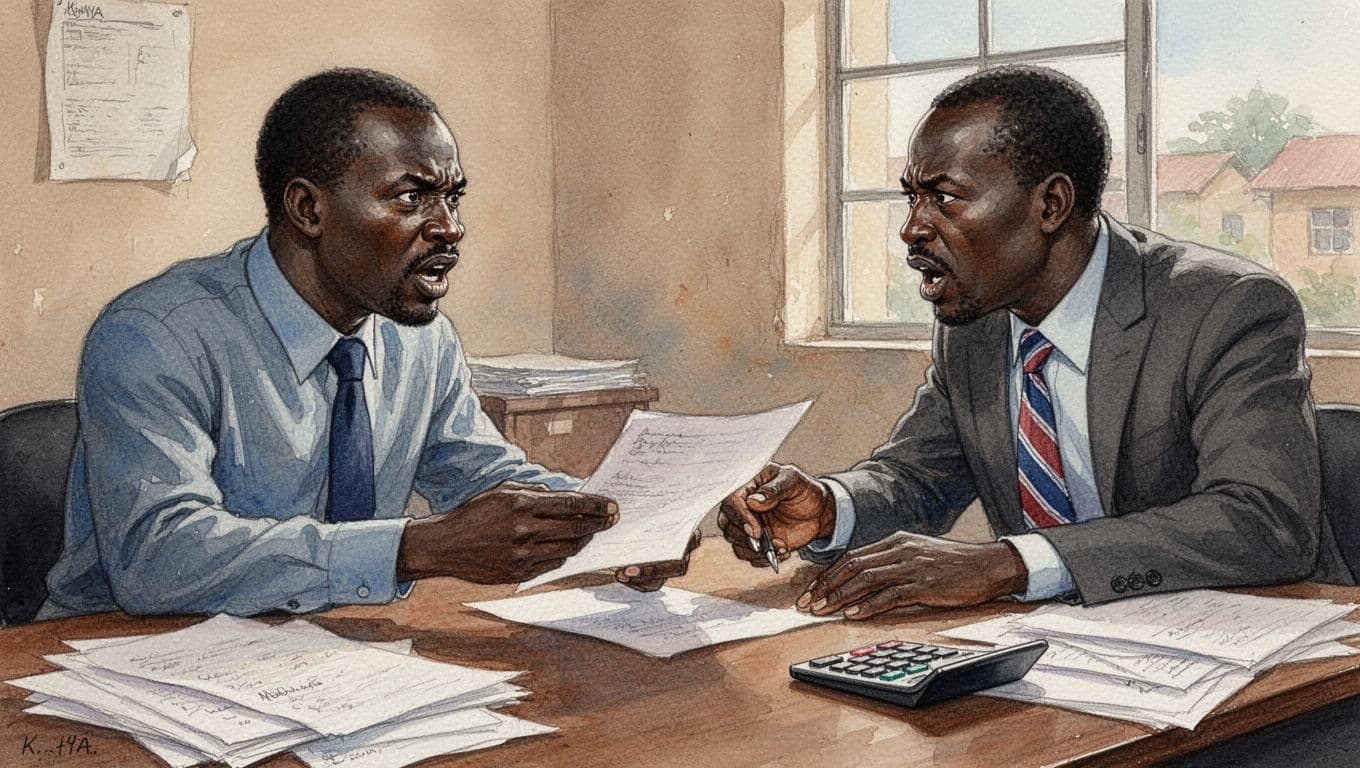
You lend a friend cash for their boda boda business. Months pass; no payback. Or a tenant skips rent in your Kisumu flat. These civil litigation battles rage over breaches and non-payments. Suppliers dump faulty goods too. Courts see thousands yearly.
The Limitation of Actions Act sets a six-year clock from breach. Sue later, and judges dismiss. File in Magistrate’s Court for debts under KSh 20 million. Gather contracts, texts, bank slips as proof.
For instance, a Nairobi trader chases KSh 500,000 from a defaulting client. He wins damages plus interest. Similarly, landlords evict via court orders. Mediation often settles quick. However, stubborn foes drag to trial. Costs add up, so demand them upfront. Strong evidence tips scales. You reclaim cash and sleep better.
Land and Property Conflicts
Picture your Kitale plot. A neighbor shifts the fence overnight, claims your soil. Or heirs fight over a late parent’s farm. Land tops civil litigation in Kenya, fueled by registry bribes and grabs. Adverse possession lets squatters win after 12 years open use.
The 12-year limit runs from dispossession. Environment and Land Court rules these. High demand clogs dockets. For instance, evictions in slums like Mathare lead suits. Similarly, boundary rows need surveys.
You file plaint with title deeds, witnesses. Court orders recovery or cash. Arbitration cuts delays. In contrast, small trespasses hit Magistrate’s fast. Act within time, or lose ground forever. Bailiffs enforce wins by fencing back land. Relief washes over you like rain on dry earth.

Personal Injury and Defamation Claims
A matatu swerves, slams your boda. Bones break; bills pile. Or a rival spreads lies online, tanks your shop. Torts like negligence or defamation drive these civil litigation claims. Harm to body or name demands compensation.
Sue within three years usually. Magistrate’s Court fits small hurts; High Court big ones. Prove duty breached, like careless driving.
For instance, victims claim medical costs, lost wages. Juries absent; judges weigh doctor notes, photos. Similarly, defamed traders seek retractions, damages. Social media amps cases now. Witnesses testify sharp. Awards cover pain too. Mediation heals rifts fast. However, trials expose lies. You walk away whole, reputation restored.
2026 Trends Making Civil Cases Faster in Kenya
Courts in Kenya face huge backlogs, yet 2026 brings real hope for quicker civil litigation. Judges now push mediation and arbitration hard. These tools cut years off trials. For example, court-annexed mediation screens cases early, turning private deals into enforceable orders. Besides, small claims courts speed up low-value fights. President Ruto’s push for efficiency highlights the need, even as corruption worries linger. You can win faster if you embrace these shifts.

Why Mediation Beats Long Court Waits
You sit in a stuffy courtroom, waiting months for a simple land spat. Mediation flips that script. Courts now send suitable civil litigation cases to mediation within 30 days of filing. Deals struck there become court orders, just as binding as judgments. Pilot rules make this standard; no appeals needed.
Real estate rows shine here. Picture buyers and sellers hashing out title delays over tea. They agree on fixes, sign, and walk away in weeks. Family fights work too. Dividing a parent’s estate? Mediators help heirs split assets fairly, avoiding bitter trials. Arbitration fits big property deals; contracts often include clauses for private arbitrators. Backlogs push this rise; why clog courts when ADR clears paths?
However, corruption shadows some registries. Still, mediation dodges those traps with neutral pros. Tips help you thrive. First, pick cases ripe for talks, like neighbor fences. Next, bring facts and stay open. Besides, front-load documents early. You settle 80 percent of screened disputes fast. Costs drop too. In short, mediation hands you control and speed.
Tackling Backlogs with Small Claims and Rules
Backlogs choke big courts, but small claims courts charge ahead for fights under KSh 1 million. These fast tracks wrap in 60 days max. No lawyers needed; you speak your claim orally. Amendments from 2025 add class actions, grouping tiny debts like loan overcharges. One suit handles masses, slashing time.
Judges enforce strict timelines now. Pre-trial conferences hit in 30 to 90 days. They bundle evidence and list witnesses upfront. Injunctions speed too; courts grant quick stops on harms, like halting grabbers mid-fence. Active case management rules keep momentum. For example, a trader chases KSh 800,000 owed? File in small claims, mediate if stuck, judge rules same day often.
Yet efficiency rules rule all civil litigation. No major digital filing leaps, but focus stays on early screening. Corruption nips at heels, as leaders note indirectly. You counter with solid prep. Gather slips, witnesses first. Opt for ADR clauses in deals. Therefore, cases fly. Hope rises as dockets thin for tough fights.

Smart Tips to Win Your Civil Litigation Case
You gear up for civil litigation like a runner lacing shoes before a marathon. Strong prep turns odds in your favor. Courts reward the ready. So focus on evidence, speed, and smart plays. These tips draw from Kenya’s Civil Procedure Act and real wins. They cut delays and boost payouts.

Build Rock-Solid Evidence from Day One
Start with proof that sticks. Collect contracts, texts, photos, and witness notes right away. For a debt chase, bank slips and demand letters seal it. Weak files lose on balance of probabilities.
Next, organize everything. Use folders for timelines and charts. Courts love clear bundles at pre-trial. As a result, judges grasp your story fast. Front-load via e-filing portal; no surprises later.
Witnesses matter too. Prep them to speak plain and true. Practice answers to tough questions. In addition, experts like surveyors help land rows. Strong evidence wins summary judgments quick, skipping full trials.
Pick the Right Lawyer and Court Path
Don’t go alone. A sharp advocate knows local tricks, like striking weak defenses under Order 2 Rule 15. They spot summary judgment chances for clear debts. Costs run KSh 50,000 to 500,000, but winners claim them back.
Choose courts wisely. Small claims handle under KSh 1 million in 60 days. No lawyers needed there. Bigger fights fit Magistrate’s or High Court. However, send a demand letter first; it shows good faith and sparks settlements.
Time drags otherwise, one to three years typical. So hire early. Firms like Tangara Advocates guide you through. They build trust with proven civil litigation wins.
Push for Mediation and Quick Wins
Courts screen for mediation in 30 days. Jump in; 80 percent settle there. Picture foes agreeing over coffee, not years in court. Deals bind like judgments, no appeals.
Seek interim orders too. Need to stop a land grab? Prove urgency and strong case. Judges grant fast. Meanwhile, avoid delays; miss mentions, lose pleadings.
Flex on costs. ADR saves cash over trials. In short, settle smart or fight sharp. Ready to start? Your win waits.
Dodge Pitfalls and Enforce Fast
Watch limitations: six years for contracts, three for injuries. Miss them, case dies. Stay flexible; new proof shifts plans.
After judgment, enforce quick. Garnish wages or auction goods. Bailiffs move in months. Losers pay costs, so demand full.
Above all, act now. Prep wins civil litigation in Kenya. You hold the edge.
Conclusion
You started with a half-built home and a vanished deposit. Now picture cash in hand, walls rising strong, life back on track. Civil litigation in Kenya delivers that fix through clear steps, from filing plaints to enforcing judgments.
Courts reward prep. Gather evidence early. Check time limits like six years for contracts. In short, mediation screens cases fast; 80 percent settle there. Trends speed wins too, with class actions grouping fights over loans or land.
Finally, act now. Try talks first. Seek solid advice. Contact firms like Tangara Advocates for your edge. You collect what’s owed, disputes fade, days fill with peace. Civil litigation turns broken promises into real relief.