
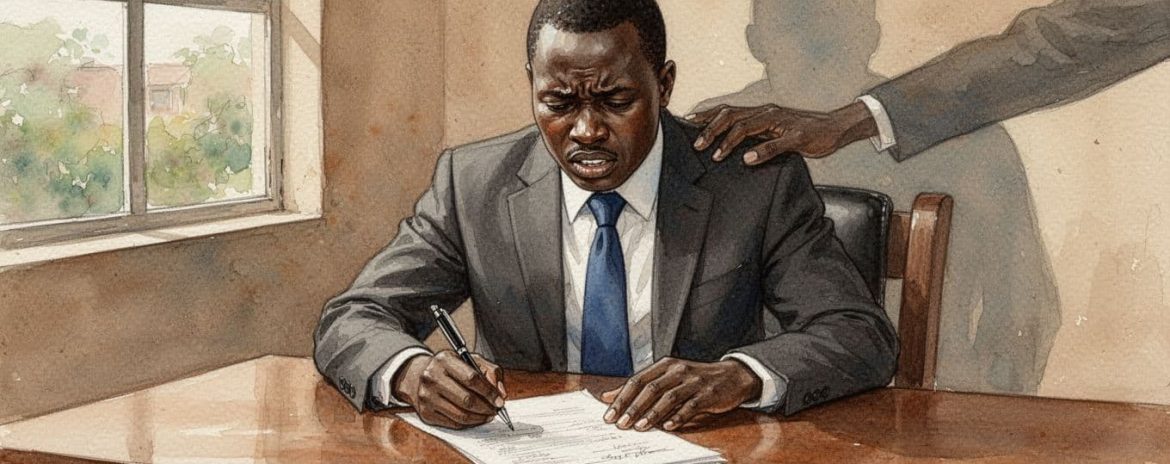
Your friend asks to borrow KSh 5,000. You hand it over with a quick nod and a promise he’ll pay back next week. Weeks turn into months; he vanishes, and you’re left empty-handed, trust shattered.
Ever wondered why some promises hold up in court while others crumble? The Law of Contract Act (Cap 23) answers that. It’s Kenya’s backbone for deals, turning casual handshakes into ironclad bonds.
This law governs every agreement you make, from buying a phone to renting a house. It roots back to English common law brought in 1897 under colonial rule. Kenya enacted it in 1961, just before independence, to fit our needs; for example, no seal needed on written contracts anymore.
In addition, it shields everyday folks like you. Think market sales, business partnerships, or loan guarantees. Without it, chaos reigns; sellers dodge payments, landlords ignore fixes, buyers lose deposits.
Because solid contracts build trust in communities. Neighbors trade fairly. Businesses thrive on clear terms. You sleep better knowing courts back your word.
So, what makes a deal valid under this Act? We’ll unpack the seven keys next: offers that stick, acceptance without tricks, real value exchanged, and more. Stick around; these rules could save your next big move.
How the Law of Contract Act Came to Be and What It Covers
Kenya’s Law of Contract Act (Cap 23) traces its roots to British colonial times. Picture lawmakers in 1960 poring over dusty English law books. They crafted this Act to replace the outdated Indian Contract Act of 1872, which Kenya had borrowed earlier. Parliament passed it on November 25, 1960. It took effect on January 1, 1961, right before independence.

Colonial Foundations and Adaptations
Back then, English common law ruled contracts in Kenya, frozen as it stood on August 12, 1897. Section 2 of the Act keeps that alive, with tweaks for local life. For instance, you no longer need a seal on written deals. In addition, Section 3 demands writing and signatures for land sales, to curb fraud. Section 4 preserves the old Indian rules for pre-1961 pacts. Amendments since, like the 2022 revision, keep it fresh without big overhauls.
Core Areas It Governs
This Act enforces promises between parties. It covers formation (offer and acceptance), performance (doing what you agreed), breach (breaking terms), and remedies (court fixes like damages). Take a market seller in Nairobi. You haggle over mangoes, pay up front, and expect delivery. If she skips town, the Act steps in. It applies to all contracts unless sales laws or others override.
Why It Matters for You Today
Business owners seal partnerships. Families rent homes safely. Lenders get repayments. Without it, deals dissolve like sandcastles at high tide. Courts use it daily, blending common law principles. So, it builds trust in trades big and small.
Now that you know its background, let’s see what makes a contract stick.
The Seven Building Blocks of a Valid Contract in Kenya
The Law of Contract Act (Cap 23) sets out clear rules for valid deals. Courts check for seven key parts before enforcing any agreement. Miss one, and your deal falls apart. First, you need a clear offer, like a farmer saying, “I’ll sell you this land for KSh 2 million.” Next comes acceptance, where the buyer nods and says, “Deal.” Both parties must also have capacity, meaning adults of sound mind. Intention to create legal ties matters too; casual chats don’t count. Consideration requires value exchanged both ways, such as cash for goods. The purpose must stay legal, so no deals for theft. Finally, meet any formalities, like writing for land sales.
Picture a Nairobi trader shaking hands on maize sacks. That simple act builds on these blocks. Without them, judges toss cases, as seen in recent rulings like Rana Auto Selection v Kanyoro (2024), where missing proof voided a car sale. In short, these elements turn words into binding promises. Later sections dig deeper into capacity, intention, and more. For now, start with offer and acceptance, the foundation.
Spotting a Real Offer and Solid Acceptance
Offers kick off contracts under the Law of Contract Act. They demand clarity, not vague talk. You say, “I’ll sell my phone for KSh 10,000,” and mean it. Shop price tags count as offers too. Customers see the tag, pick the item, and head to pay. Chit-chat like “Nice car, huh?” stays idle.
Acceptance mirrors the offer exactly. Change one detail, and it becomes a counter-offer. Silence rarely works; nod or say “yes” out loud. For instance, a buyer spots tagged mangoes at KSh 50 a bunch. She says, “I’ll take two bunches.” Seller agrees. Deal seals.

Common traps trip people up. Vague terms like “around KSh 5,000” fail. Courts demand specifics. Also, ads invite offers, not make them. A supermarket flyer shows prices, but you offer cash at checkout. Get these right, or watch your deal vanish.
Why Consideration and Legality Seal the Deal
Consideration gives contracts teeth. Each side swaps something valuable now or later. Past favors don’t count. You pay KSh 20,000 for a laptop; seller hands it over. Both gain value.
For instance, a mechanic fixes your matatu for KSh 15,000 upfront. You drive away happy; he pockets cash. However, promising “I’ll pay you back someday” for old help flops. Courts reject one-sided gifts as binding.

Legality blocks bad deals. Contracts for crimes crumble. Bribing an official? Invalid from the start. Sell stolen goats? No court help. The Act demands lawful goals. Recent cases, like Next Group Solutions v Innovius (2024), stress payment proof as solid consideration in renovations. Skip legality or value, and recover nothing. These two blocks lock in trust.
Who Counts as Able to Make Contracts? Capacity Rules
Not everyone can lock in a deal under the Law of Contract Act (Cap 23). Capacity decides that. Adults over 18 usually qualify, as long as they stay of sound mind. However, the law protects vulnerable groups like minors and bankrupts. Companies face their own hurdles too. These rules stop exploitation and ensure fair play. Because without them, predators could prey on the weak. Let’s break it down.
Special Rules for Minors and Necessaries
Minors under 18 face strict limits. The Law of Contract Act shields them from bad choices. Most contracts become void or voidable. That means sellers get no payoff, or the minor cancels later.
Necessaries change the game. These cover basics like food, clothes, and shelter that fit the minor’s lifestyle at the time. Courts check needs then, not later wants. Sellers claim a reasonable price, not top dollar. For example, a student’s phone for school might count if it suits their routine. However, a toddler’s fancy toy does not.
Picture this: a teen buys designer clothes claiming they need them for school. If the style matches their daily life, the deal binds. Otherwise, they walk away free. In addition, loans for necessaries work too; lenders sue as if they supplied the goods directly.
Other deals, like leases or shares, stay voidable. The minor repays benefits received if they affirm after turning 18. This setup guards young people while allowing real needs.

Limits for Bankrupts and Companies
Undischarged bankrupts lose freedom to deal. Courts block new debts without approval. This protects creditors from fresh risks. For instance, a bankrupt farmer cannot borrow for seeds alone. He seeks court okay first, or the pact fails.
Companies gain capacity through registration under the Companies Act 2015. Directors or agents act for them. Boards must approve big moves. Picture a firm signing a supply deal; the board reviews terms to bind the entity.

Skip these steps, and contracts crumble. The law stresses protection here. So, check capacity early to avoid court woes.
Free Consent: No Tricks or Force Allowed
You shake hands on a deal, but hidden lies or threats sour it later. The Law of Contract Act (Cap 23) demands free consent. Both sides agree willingly, without flaws like mistake, fraud, duress, or undue influence. These vices make contracts voidable. You can cancel them then. Courts step in to restore fairness. Because true deals rest on honest nods.
Picture a buyer eyeing a shiny car. The seller hides rust under paint. Consent crumbles. In contrast, real choice builds solid bonds.
Mistake Shakes the Foundation
Mistake hits when facts mislead both parties. You think you buy gold; it’s fake brass instead. The Law of Contract Act voids such pacts. Common types include identity mix-ups or quality errors. For example, two farmers swap identical goats by mistake. No deal sticks.
However, one-sided errors rarely count. Both must err on key facts. As a result, check details before signing. Courts toss vague claims fast.
Fraud and Misrepresentation Trick Minds
Fraud uses lies to lure you in. Sellers fake car mileage at 50,000 km when it’s 150,000. You sign, then spot the cheat. Misrepresentation differs slightly; it’s false info, honest or not. Silence on big flaws counts too.
In contrast to mistake, the liar pays. You rescind the contract. Get your money back. Courts award damages besides.
Duress Forces Your Hand
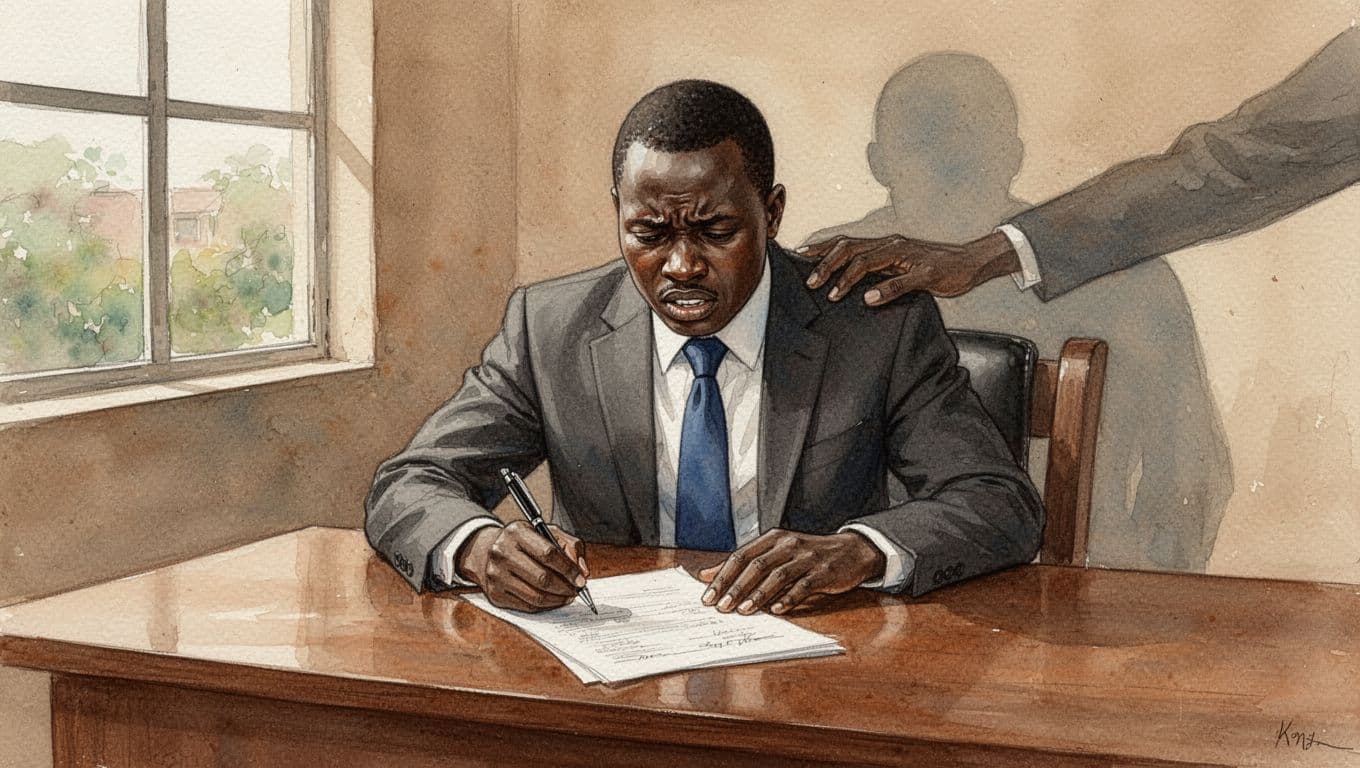
Threats kill free will. A thug demands cash or breaks your shop. You pay to save face. Duress voids that. Physical force or economic chokeholds both qualify.
Undue Influence Pressures Trust
Trusted ties turn sour here. Your boss pushes a bad loan deal. You sign from loyalty, not choice. Family elders sway a will. Relationships like doctor-patient invite scrutiny.
As a result, prove the pressure. Courts cancel the deal. Fairness wins. Always question rushed choices in close bonds.
Contracts That Must Be Written Down
Some deals demand paper trails under the Law of Contract Act (Cap 23). Section 3 spells it out: guarantees and land contracts must hit the page, signed and witnessed. Verbal nods crumble in court here. Because disputes brew fast without proof. Think house sales versus quick veggie buys at the market. One locks in rights; the other flies on trust alone.
These rules tie back to the seven keys. Formality seals the deal when words alone fail. Skip writing, and judges toss your case.
Guarantees Lock in with Signatures
You promise to cover a friend’s loan if he flakes. That’s a guarantee. Section 3(1) requires writing and your signature, or an agent’s. No note? Courts ignore it.
For example, your cousin borrows from a shop. You vouch in writing. He skips payments; you step up. Without ink, you walk free. Sellers push for memos to bind you tight.
Land Deals Need Full Paperwork
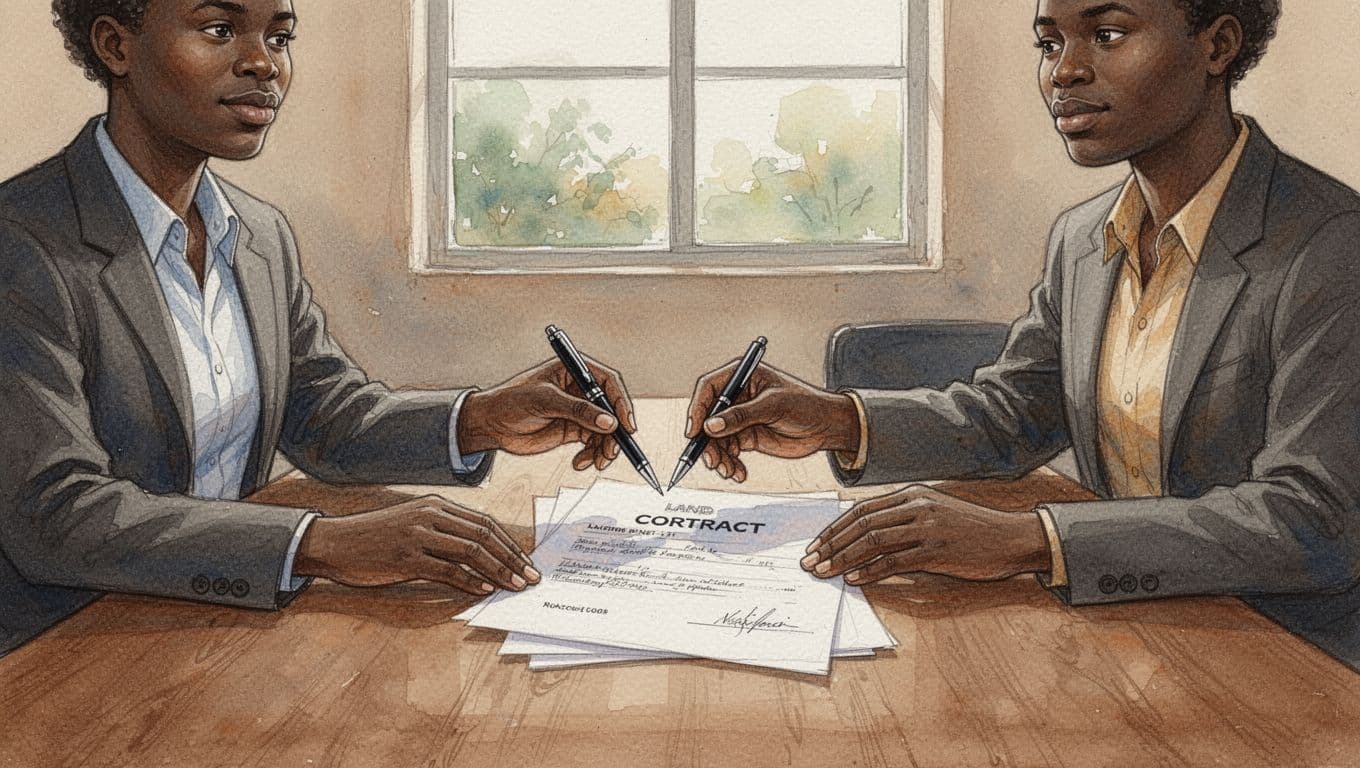
Land sales, leases, or transfers demand more. Section 3(3) calls for complete writing: names, land details like title number and size, price, terms. All parties sign. Witnesses attest each one.
A Nairobi plot sale shines as proof. Buyer and seller ink details; two watchers sign too. Verbal farm swaps? They vanish. Matches the Land Act 2012 for extra bite.
Exceptions Keep It Fair
Auctions dodge the rule. Licensed auctioneers seal land bids orally. Constructive trusts save some verbal pacts too. If you improve land relying on a promise, courts may enforce it despite Section 3.
Cases like oral renovations upheld as trusts show mercy. Still, play safe. Get lawyers for big stakes. Writing builds unbreakable bonds.
Handling Breaches: Performance and Fixes
You seal a deal under the Law of Contract Act (Cap 23). Both sides promise to perform. That means you deliver exactly as agreed, on time, in full. Fail that, and you breach. Courts call it a failure to uphold terms. Performance builds trust; breaches break it. Suppose a supplier skips delivery. Then, you lose sales. The Act steps in with fixes. Recent cases show courts award cash or orders to mend harm. Let’s see breach types first. After that, top remedies follow.
Types of Breach and When They Hurt Most
Breaches come in flavors. Actual breaches happen when someone skips duty outright. You order goats; seller sends none. Real loss hits: no milk, no meat sales. Courts measure your pocket pain.
Anticipatory breaches warn early. Seller texts, “Can’t deliver next week.” You spot trouble before it lands. Sue right away, or wait for the no-show. Because waiting risks more loss.
Breaches split minor or major too. Minor ones skim terms, like late paint by a day. You claim small fixes. Major breaches gut the deal, such as no house built at all. Then, walk away free.

For example, in Olegasalie New Properties v Lematasho (2025), buyer missed land payment deadline. Court ruled major breach; seller kept deposit. Hurt landed hard on the buyer. Minor slips sting less, but majors destroy plans. Always spot them fast.
Top Remedies to Get Justice
Remedies heal breaches under the Law of Contract Act. Damages top the list. Courts pay your real loss, called actual damages. Lost profits from late maize? Prove it with receipts. Liquidated damages fix set amounts upfront, like 10% fee per day late.
Specific performance forces action. It fits unique items, such as beachfront land. Money won’t swap that view. Suppose seller backs out; court orders handover. However, injunctions stay rare. They halt wrongs, like stopping a rival from using your secret recipe.
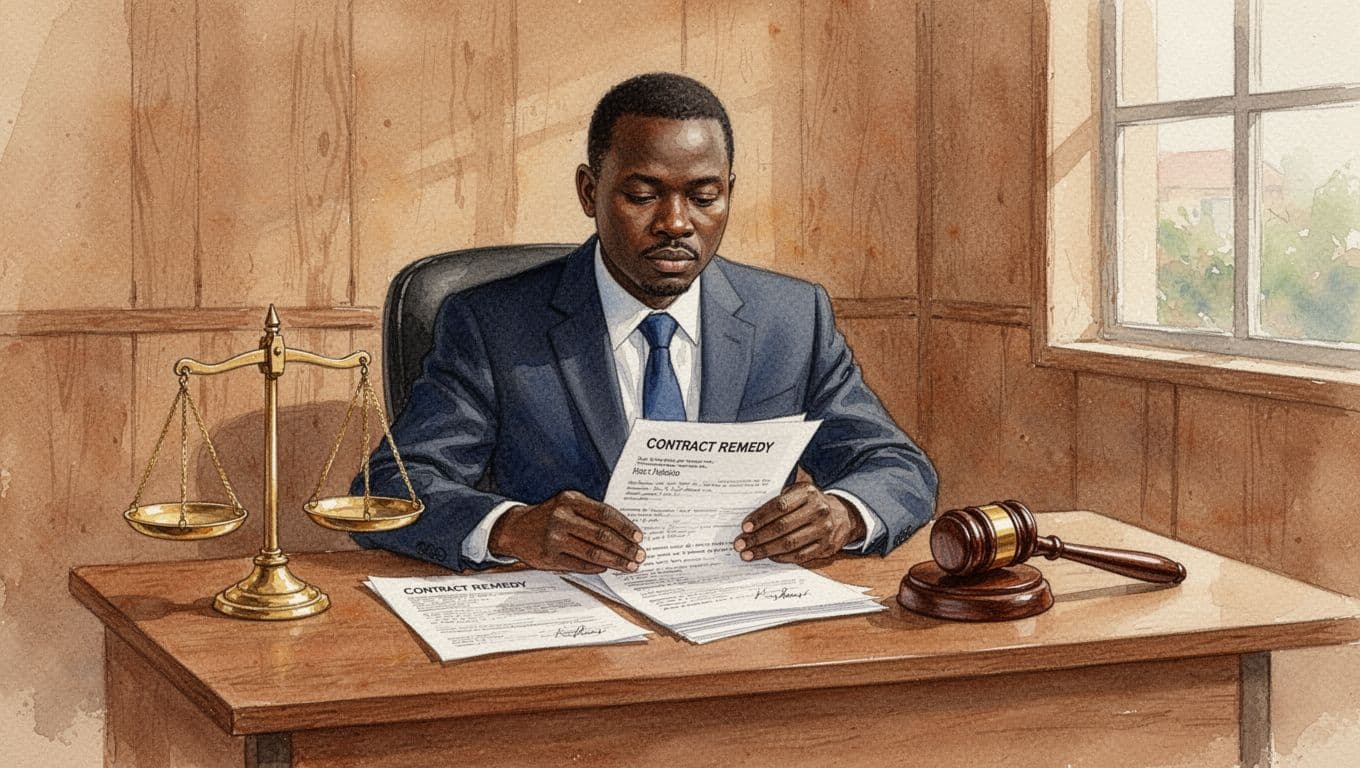
Rescission cancels the deal. Return goods; get cash back. In Mureithi v Kibe (2025), unpaid advocate fees won damages plus interest. Because proof showed clear breach and loss. Send demand letters first. Sue within six years. These tools restore balance. Pick the right one, and justice flows.
Updates and Real Cases Shaping the Law Today
The Law of Contract Act (Cap 23) stays alive through fresh bills and court fights. Judges and lawmakers tweak it to fit Kenya’s changing trades. You see it in stalled reforms and bold rulings. Because old rules bend for new scams. Stay sharp; these shifts guard your deals.
Pending Bills Push for Fairer Terms
Lawmakers eye updates. The Law of Contract (Amendment) Bill, 2025 targets unfair clauses. It voids tricks that dodge blame for shoddy goods or neglect. Consumers gain power; sellers face a fairness check. However, it sits pending in the National Assembly.
The 2019 debt collection bill lingers too. It aimed to hit main borrowers first before guarantors. No passage yet; it stalled. As a result, old guarantee woes drag on. Watch parliament; these could rewrite your loan risks.

Court Rulings Set New Benchmarks
Judges shape the Act daily. In Dhiman v Shah [2025] eKLR, the Court of Appeal struck an oppressive pact. It backed unconscionability, letting courts scrap one-sided terms. Picture a weak party trapped; now relief comes faster.
These cases echo the seven keys. They stress free consent and fairness. For example, bad terms crumble like dry soil. Courts award fixes, building trust.
Track these changes. They protect your next handshake. Now, pull it all together for safe deals ahead.
Conclusion
The Law of Contract Act (Cap 23) turns everyday promises into strong shields. It demands clear offers, full acceptance, real value, and legal aims. Capacity rules protect the young and weak. Free consent blocks tricks and force. Written proof locks big deals like land sales.
These rules fix breaches with damages or court orders. Always check who signs; get paper for major trades. Because courts back fair play, as recent cases show. Your Nairobi market nod or business pact stays safe.
Spot capacity early. Demand writing on guarantees. Seek a lawyer for fights. In short, follow these steps for solid wins.
Picture your next deal thriving without fear. Lenders collect. Sellers deliver. Trust grows in communities.
Share your contract story below. Have you faced a breach? Consult experts at Tangara Advocates today for peace of mind. Fair bonds await.