
Construction Law in Kenya: Rules for Safe, On-Time Builds
Cranes swing high above a Nairobi construction site. Dust clouds swirl as workers hustle with rebar and concrete. One missed permit, though, and everything grinds to a halt. Costs balloon overnight; delays stretch weeks into months.
That’s the sharp edge of construction law in Kenya. It keeps builds safe and on schedule. Ignore it, and you risk your budget or worse.
Picture this: You’re a developer eyeing land in South C. Or maybe you hire builders for your dream home. Investors pour cash into high-rises. One legal slip, however, wipes out profits fast. For example, poor contracts lead to fights over payments. As a result, projects stall.
Recent tragedies hammer this home. In January 2026, a 16-story building in South C collapsed after ignored warnings. Screams echoed amid rubble; rescue teams dug for hours. Then, March brought more horror. A Shauri Moyo demolition turned deadly, killing four. Westlands saw a 22-story frame buckle at night, trapping workers. Kericho lost one to a falling three-story build. These aren’t rare flukes. They stem from weak oversight and skimped safety. Kenya’s growth demands better.
You need this knowledge because rules have tightened. The National Building Code 2025 now mandates licensed pros, strict approvals, and NCA registration. Counties enforce zoning; taxes hike material costs. Delays hit hard too. Stats show the industry grew just 4.1% lately, plagued by budget crunches and legal snags. In addition, 64 workers die per 100,000 on sites, far above global norms.
This post breaks it down simply. First, grasp the basics of construction law in Kenya. Next, master solid contracts. Then, handle disputes before they explode. After that, catch the latest updates like code reviews. Finally, grab practical tips.
Stick around. You’ll walk away ready to build smart, dodge pitfalls, and claim real wins on your next project.
What Makes Construction Law in Kenya the Backbone of Safe Builds
Construction law in Kenya forms the solid frame that holds every project together. It stops collapses before they happen. Builders follow these rules, and sites turn safe. Imagine your project passing checks smoothly. Workers move fast; deadlines hit on time. Costs stay low because fines skip by.
Start with the National Construction Authority Act 2011. This law sets contractor rules. Teams register first. They show skills and tools. NCA checks defects liability too. Builders fix flaws after handover. Besides, it demands a 0.5% levy on big jobs over five million shillings. So, funds support training and oversight.
Next, the National Building Code 2024 kicks in from March 2025. It covers design and safety. Materials must hold strong. Sites need technical checks. As a result, weak frames fail inspections early. In addition, the Physical Planning Act guides land use. You plan layouts right. Counties approve zones first.
Don’t forget the Occupational Safety and Health Act 2007. It protects workers daily. Helmets stay on; scaffolds hold firm. Then, Environmental Impact Assessments come before shovels hit dirt. Experts check pollution risks. For example, a river bridge project scans floods first.
These laws build trust. Safer buildings last decades. Owners save repair cash. Public stays protected. After all, recent collapses like South C show what skips cost. Compliant sites thrive. Cranes lift steady; concrete pours clean.
Core Laws Every Kenyan Project Must Follow
Every Kenyan build starts with core laws. They guide from blueprint to finish. Follow them, and hazards fade.
The NCA Act 2011 leads the pack. Contractors grab NCA certificates. A road project needs one before gravel moves. Unregistered teams face fines or jail. Defects liability binds builders. They repair cracks for a set time post-completion. Besides, NCA pushes quality work. Sites inspect often.
Next, National Building Code 2024 rules designs. Effective March 2025, it demands strong materials. Safety features shine. Elevators fit codes; walls resist quakes. As a result, collapses drop. Imagine rebar tied tight, beams aligned perfect.
EIAs add green checks. Before start, assess environment. A factory build tests waste flows. Dust controls matter. In addition, Physical Planning Act sets site rules. Zoning fits homes or roads. Permits flow smooth.
The Occupational Safety and Health Act 2007 guards lives. Scaffolds brace right. Harnesses clip on. Training runs daily. So, falls halt.
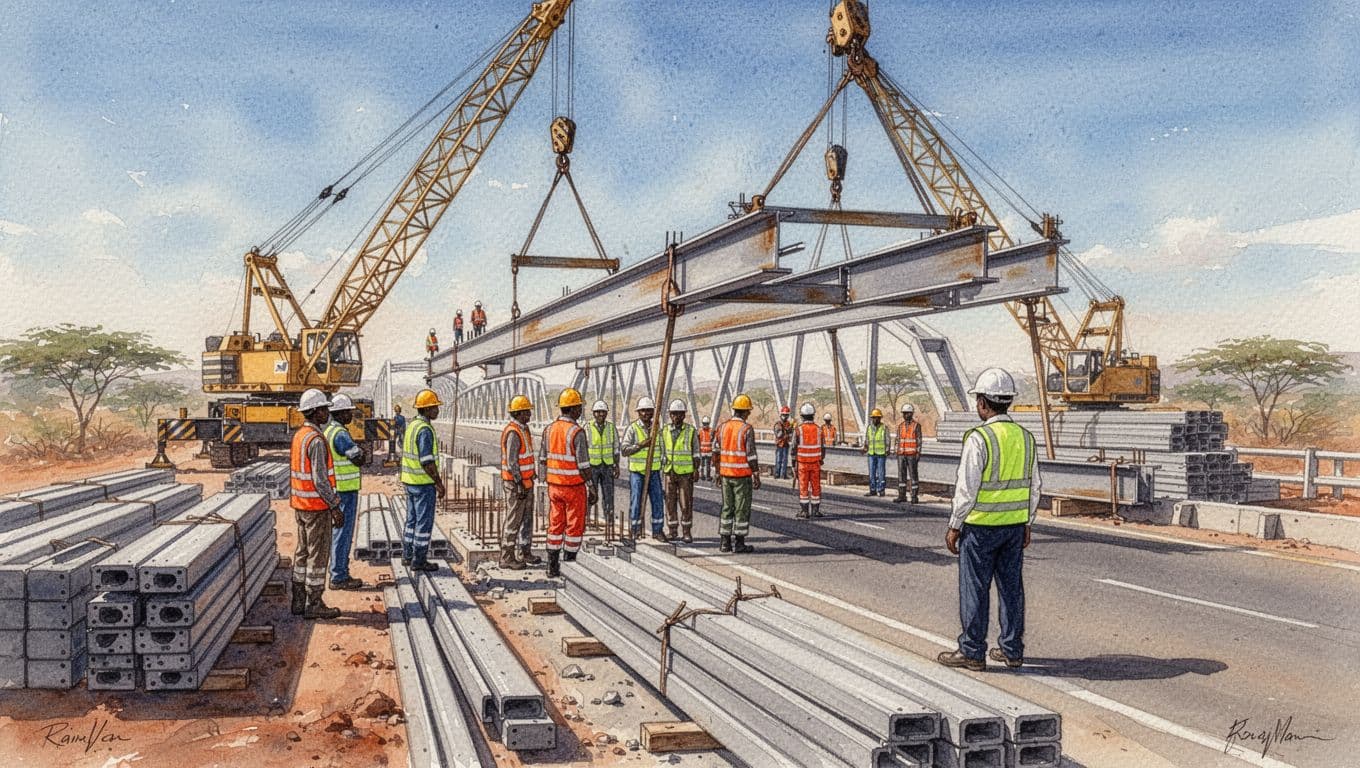
Picture this compliant site. Cranes hum steady. Stacks sit neat. No loose wires dangle. Workers chat safe. Benefits pile up. Safer buildings cut deaths. Kenya logs 64 per 100,000 now. Rules slash that. Projects finish fast. Budgets hold. Owners smile wide.
Top Regulators Keeping Sites in Check
Regulators watch close. They keep chaos out. NCA leads with firm hands.
NCA registers teams first. Contractors prove experience. Foreign ones join too. They train locals often. NCA accredits workers. Skills match jobs. Inspections hit sites weekly. Bad work stops cold.
Counties handle zoning next. They approve plans. Land fits builds. A Nairobi plot checks height limits. Violations block progress.
IEK sets engineer bars. Members design solid. They test standards daily. For example, NCA halted unsafe work in South C. Inspectors saw weak beams. Crews paused; fixes came quick.

Inspectors stride in vests. Workers halt respectful. Meters probe steel. Plans unroll flat. Oversight builds confidence. Projects push forward safe. Fines skip by. Deadlines meet easy.
How to Pick Contracts That Protect Your Kenyan Construction Project
You know the laws now. They set the rules for safe sites. However, contracts make those rules stick. A solid one acts like rebar in concrete. It holds everything firm. Pick wrong, and your project sways like a shaky scaffold. Disputes erupt over cash or timelines. Workers idle; costs climb. In contrast, smart choices keep teams aligned. Payments flow steady. Deadlines hit sharp.
Kenya favors proven forms in construction law. Builders grab FIDIC Red for straight builds where you supply designs. It fits private towers or homes. Switch to Yellow for design-build jobs. Contractors handle plans and pours. MoPW forms rule public work. Government mandates them for roads or schools. They tie to procurement laws. ICE suits civil tasks like bridges. Trends lean toward JBC Green Book for quick private fixes. It adds adjudication for fast fights.
Benefits stack high. Clear terms spell payments and delays. Variations get priced upfront. As a result, surprises fade. A bad contract sparks court battles. Good ones build trust. For example, international firms pick FIDIC Silver for turnkey plants. It lumps risks on builders. Local devs stick to JBC for offices. Public tenders demand PPRA docs with bills of quantities. Check NCA status first. Registered contractors match categories. NCA1 tackles giants; NCA8 fits small fixes.
Pick right, and your build hums. Costs stay put. Handover shines clean.
Popular Contract Forms and When to Use Them
Standard forms guide most Kenyan projects. They cut confusion. Courts know them well. Private jobs often pick JBC or FIDIC. Public ones stick to MoPW or PPRA.
Start with JBC Contract, Kenya’s go-to for private builds. It suits homes, offices, shops. An architect watches over. Contractors follow bills of quantities. Pros include familiarity; everyone understands roles. Cons hit on rigidity. Small tweaks need approvals. However, it speeds private work.
FIDIC shines for bigger or global ties. Red Book fits when you design, they build. Use it for hotels or factories. Yellow Book shifts design to contractors. Perfect for plants or complexes. Silver handles full turnkey. Green offers short simplicity. Pros: balanced risks, arbitration clauses. Cons: wordy for tiny jobs. Courts enforce them smooth because common law backs FIDIC.
Public projects mandate MoPW forms. They follow procurement acts. Tenders list specs clear. ICE conditions pair for civil engineering. Roads or dams need them. PPRA adds tender docs for government buys.

Picture a hospital build. County tenders via MoPW. Contractor bids on quantities. NCA checks class first. Work starts post-award. Variations go through engineers. Delays claim extensions. As a result, public cash flows controlled.
Private devs mix forms. Lenders push standards. Trends add adjudication to JBC. It solves spats in weeks, not years. Design-build grows too. Contractors take more load.
| Contract | Best For | Pros | Cons |
|---|---|---|---|
| JBC | Private buildings | Familiar, architect-led | Less flexible |
| FIDIC Red | Design by owner | Clear roles | Complex docs |
| FIDIC Yellow | Design-build | Contractor owns design | Higher contractor risk |
| MoPW | Public infrastructure | Mandatory, audited | Strict approvals |
| ICE | Civil works | Engineering focus | Older style |
Match form to job. Check contractor NCA grade. Big projects need NCA1. Small ones take NCA8. This setup protects all sides.
Key Clauses to Nail Down Before Signing
Clauses form the contract’s muscle. They cover cash, time, fixes, safety. Miss one, and trouble brews. Nail them for smooth runs.
Payments top the list. Spell schedules clear. Stage releases like 20% on foundation, 30% frame-up. Tie to milestones. Add retention, say 5-10%, released post-defects. Include advance payments backed by bonds. Local taxes matter. VAT hits 16%; withholding tax bites contractors. NCA levy at 0.5% for jobs over five million. As a result, cash flows predictably. No surprise deductions.
Delays demand detail. Set start and end dates firm. List excuses like weather or strikes. Liquidated damages kick in at, say, 0.5% per week. Cap them reasonable. Extensions need notices in seven days. Force majeure covers floods or unrest. Builders claim proof. Owners approve fair.
Defects liability binds post-handover. Contractors fix flaws for 12 months typical. List standards like KEBS marks. Handover pictures keys clean. Practical completion means usable site. Final cert follows snags cleared.
Safety clauses save lives. Mandate OSH Act compliance. Helmets, harnesses, training daily. Insurance covers workers and public. NCA audits sites. Penalties halt bad acts.

Imagine review time. You and contractor pore over pages. Highlight payments first. Then delays. Point to defects terms. Safety seals it. A model building sits near, handover fresh in mind.
Variations need processes. Engineer approves changes. Price them prompt. Disputes go to adjudication now trendy. Arbitration follows if needed. Governing law stays Kenyan.
NCA rules weave in. Contractors prove registration. Categories match value. Foreign ones train locals.
These clauses paint reliability. Projects finish on budget. Owners occupy proud. Teams repeat jobs. In short, they guard your build tight.
Spot and Solve Disputes Before They Derail Your Build in Kenya
Solid contracts protect your Kenyan project. They outline payments and timelines clear. However, risks still lurk. Delays creep in from slow approvals. Payments stall on government jobs. Defects show up after handover. Safety slips cause close calls. These headaches tie straight to construction law in Kenya. Skip compliance, and small issues explode. Meanwhile, costs double fast.
Picture a dusty site in Nairobi. Your contractor waves papers angry. You point at idle cranes. Workers lean on rebar stacks, idle. Dust swirls hot. Voices rise over delayed cash. “Pay up now,” he shouts. You fire back, “Finish first.” Tension thickens. So, tempers flare. Projects halt. But spot trouble early. You call a quick meet. Terms refresh from the contract. Cash flows partial. Hammers swing again. Cranes lift steady. That shift saves weeks.
Quick fixes keep builds alive. They preserve cash and schedules. Kenya’s trends show disputes rising. Delayed payments top the list. They hit small suppliers hard. National Construction Authority flags them often. Courts handle cases like Hekima Kijani versus China State Construction. Firms clashed over site shifts and cash. In addition, defects from rushed changes spark suits. Benefits shine clear. Resolve fast, and money moves. Sites hum busy. Owners occupy on time.
Construction law in Kenya now backs this. New rules speed payments. You act before courts clog. So, projects push forward strong.
Frequent Headaches on Kenyan Construction Sites
Delays from approvals plague sites first. Counties drag on zoning nods. NCA checks stall big jobs. Non-compliance bites hard. Builders start without stamps. Fines follow; work stops cold. For example, governors blame land title snags for industrial park holdups. Trends show this common in 2025. Projects lag months. Costs climb as idle crews wait.
Payment holds rank next. Contractors chase cash owed. Government tenders pay late often. Suppliers fold under pressure. As a result, chains break. National Construction Authority calls it the top gripe. Small firms suffer most. You sign contracts tight. Still, cash freezes without backups. Disputes balloon quick.
Defects pop post-build too. Cracks spider walls after handover. Poor materials fail codes. Builders skip KEBS tests. Owners sue for fixes. Courts see cases from bad designs. Rushed pours lead here. Non-compliance with National Building Code 2024 costs heavy. Repairs drain budgets dry.
Collapses stem from safety ignores. Weak scaffolds tip. No harnesses save falls. Kenya logs high death rates still. Past South C tragedies warn sharp. Trends tie this to skimped oversight. So, poor training kills momentum. Sites shut; probes drag.

These pains link direct to rules skipped. Construction law in Kenya demands checks. Ignore them, and headaches multiply. Spot signs early. Act before halts hit.
Smart Fixes from Negotiation to Adjudication
Negotiation starts simple. You sit with the contractor calm. Review contract terms fresh. Agree on partial pays or extensions. It costs little. Keeps trust alive. Most spats end here. Meanwhile, sites restart smooth.
Mediation steps up next. A neutral pro guides talks. Parties air gripes open. Solutions craft custom. Courts push this before suits. Benefits flow fast. Cash releases quick. Projects dodge shutdowns.
Adjudication trends hot now. Kenya’s Construction Payments Adjudication Bill 2025 sets it firm. Serve seven-day notice for cash claims. Adjudicator rules in 28 days max. Decisions bind till arbitration challenges them. Pay orders hit in seven days post-ruling. Even silent contracts trigger it. This mirrors UK wins. Disputes that dragged years wrap swift.
FIDIC contracts add DAABs. Dispute Adjudication Avoidance Boards meet early. They suggest fixes binding short-term. Arbitration follows if needed. Kenyan courts enforce these. High Court backs quick paths.
Other routes include arbitration. Private pros decide final. Faster than courts. Still, costs add up. Litigation lasts longest. Use as last resort.
Benefits stack for all. Cash flows steady. Sites stay active. Suppliers breathe easy. Owners hit deadlines. For example, a road job pays mid-delay. Crews pour concrete next day.

Pick the right path. Construction law in Kenya equips you. So, disputes fade. Builds finish strong.
2026 Game-Changers: New Rules and Lessons from Kenyan Courts
Kenya’s construction sites buzz with fresh energy in 2026. Cranes rise taller against Nairobi skies. Workers strap on helmets tighter. Construction law in Kenya shifts fast after 2025 tragedies. The National Building Code 2024 acts like a crisp blueprint. It wipes out the dusty 1968 rules. Now, every build follows one standard nationwide. Counties enforce it strict. As a result, inspections ramp up. Foreign contractors scramble to comply too. They license through NCA just like locals.
Besides, the National Construction Authority pushes safety hard. Digital permits speed approvals. Old buildings face audits now. Demolish the risky ones first. Sustainability weaves in deep. Green materials cut waste. Energy rules save power long-term. In addition, disputes resolve quicker. Adjudication cuts court waits. You benefit direct. Projects finish on time. Costs drop because fines skip. Workers breathe safer. Owners occupy proud homes.
Picture your next build. Plans stamp quick. Inspectors nod approval. No more uneven county rules snag progress. Trends point modern. Safety leads first. Then sustainability follows close. Faster fixes keep cash flowing. Construction law in Kenya equips you strong. So, you dodge pitfalls easy. Deadlines hit sharp. After all, these changes stem from hard lessons. Collapses woke leaders up. Courts issued wake-up calls. Now, rules tighten for good.
How the National Building Code 2024 Raises the Bar
The National Building Code 2024 rolled out full force by 2026. It replaced the outdated 1968 code completely. That old set caused uneven safety across counties. Now, one rule covers all buildings. From shacks to skyscrapers, nothing escapes. Mandatory approvals start before ground breaks. Architects submit plans digital. NCA reviews fast. Counties map sites into groups. Compliant ones pass. Fixable builds get pro oversight. Unsafe structures face wrecking balls.
Impacts hit inspections hardest. Checks turn stricter. Inspectors probe rebar deep. They test quake-proof walls. Wind loads matter now. Ramps serve disabled access. Parking slots fit codes. As a result, weak frames fail early. Sites halt until fixes land. Digital tools track progress. A national database logs permits. Audits hit old towers too. Maintenance rules bind owners. Clean upkeep or face fines.
Foreign contractors feel the squeeze. No special passes exist. They grab NCA licenses first. Local training joins their crews. Quality materials flow in. For example, a Chinese firm bids on a Mombasa hotel. They scan code sections tight. Rebar grades match KEBS. Safety nets drape full. Elevators install per specs. Inspections pass smooth. Work pours ahead.

This code raises standards high. Sites stay hazard-free. Concrete sets solid. Cranes swing safe. You save big on repairs later. Collapses drop sharp. Kenya cuts its high death toll. Projects wrap on budget. In short, compliance builds trust.
Law Reviews, Collapses, and Court Wake-Up Calls
Past collapses spurred big reviews. Shauri Moyo rubble still haunts. South C screams echo loud. Leaders act now. NCA eyes law tweaks for tougher penalties. Inspections multiply. Bad sites shut cold. Trends push safety first. Modern tools track risks real-time.
Mombasa courts slammed planning committees hard. Zoning fails led to dangers. Rulings demand better oversight. Committees face blame direct. As a result, approvals slow but safe. No more rushed nods.
NCA plans stretch to 2028. They aim uniform enforcement. Digital shifts speed disputes. Sustainability grows key. Green builds resist climate hits.
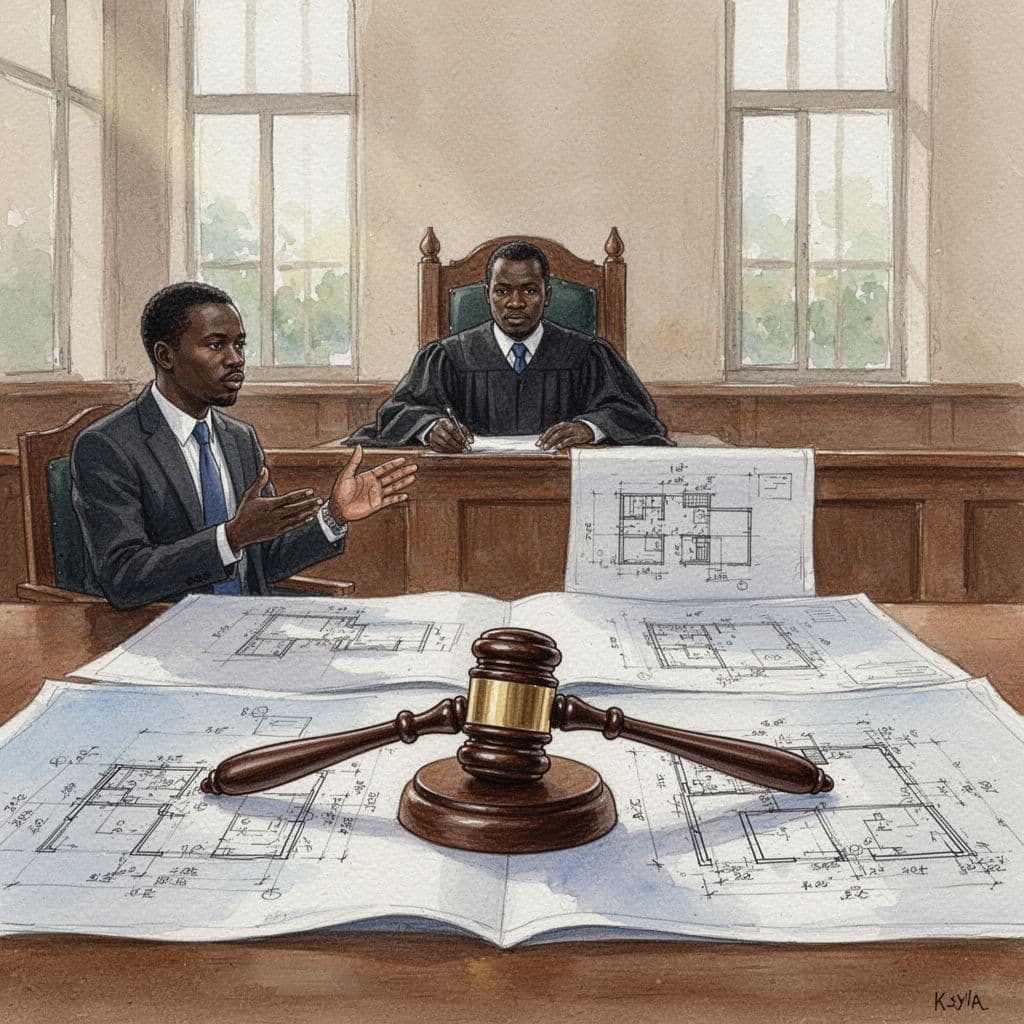
These calls modernize fast. You gain safer sites. Disputes end quick. Builds last decades.
Your Simple Plan to Build Legally and Save Headaches in Kenya
Start here if you want smooth builds under construction law in Kenya. You grab key papers first. Then keep sites tight daily. No fines hit. Projects wrap on time. Picture cranes lifting steady in Nairobi sun. Workers pour concrete clean. Your office tower or home stands proud at handover. Everyone celebrates with cold drinks and handshakes. Costs stay low because skips don’t happen.
This plan boils it down. First, chase NCA certificates and EIAs before dirt moves. Pick solid contracts next. Safety training locks in. Document every step. Then shift to on-site habits. Inspections run regular. Records stack neat. Dispute plans sit ready. Benefits pile up fast. You dodge halts from county checks or NCA stops. Cash flows steady without court drags. Deadlines hit sharp. After all, recent code rules demand this. National Building Code 2024 sets the bar high. Counties enforce zoning firm. So, follow these steps. Your project hums alive. No rubble scares or delay bills.
Owners win big. Lenders approve loans easy with clean files. Tenants move in happy. You sell high or rent steady. In short, legal paths build wealth safe.
Checklist Before You Break Ground
Chase these steps in order. They block early stops. Counties halt unapproved digs fast. NCA fines bite hard too.
First, register with National Construction Authority. Hire NCA-listed contractors, architects, and engineers. Submit team proofs and project specs. Grab the compliance certificate. Foreign crews register per job. No stamp means no start.
Next, secure NEMA clearance for EIAs. Big sites near water or forests need them. Experts assess noise, dust, waste. Submit reports for nods. Skips trigger suspensions.
Then hit county offices for building approvals. Bring title deeds, surveys, architect drawings, engineer designs. Check zoning fits. Get approved plans and commencement notice. Utilities like power need stamps too.
Finally, sign contracts tight. List scopes, timelines, payments, disputes. Lawyers check them. Include NCA knowledge transfer for foreign work.

Papers spread on desks like this. Stamps glow fresh. Plans roll flat. You rest easy. Ground breaks legal. Inspectors nod first visit.
Timelines stretch weeks in busy counties. Hire pros to speed it. Costs tie to size. However, skips cost more in fines. As a result, checklists save cash upfront.
Ongoing Habits to Stay Compliant On-Site
Daily checks keep you legal. Inspectors drop unannounced. Records prove compliance. Disputes stay small.
Run stage inspections firm. Counties and NCA check foundations, frames, roofs, wiring. Mark boundaries with pegs first. Clear sites clean. Use code-approved materials. Soil tests guide footings. Fixes happen before next pour.
Keep records stacked. File approvals, drawings, test reports, notes. Concrete strengths log daily. Photos snap progress. Hand them over for occupancy certificates. Banks and buyers demand them.
Plan disputes smart. Contracts spell mediation first, then adjudication. Seven-day notices trigger fast rulings. Arbitration backs if needed. High Court handles big cases last.

Supervisors clipboards out like this. Workers gear up full. Stacks sit tidy. Cranes hum background. Sites pass checks easy.
Safety training runs morning briefs. Harnesses clip; helmets stay. OSH Act demands it. In addition, daily logs spot issues early. So, small talks fix payment holds or delay claims. Projects push forward strong. Handover certs shine. You occupy on schedule. Celebrations follow natural.
Conclusion
Cranes now swing steady over Nairobi sites. Workers pour concrete without fear. Construction law in Kenya turns those dust clouds into solid wins.
You grasp the core now. NCA rules lock in safe teams. Tight contracts hold payments firm. Quick fixes stop disputes cold. As a result, builds finish on time. Costs stay low because fines skip by.
Recent tragedies fade in memory. National Building Code 2024 raises bars high. Sites pass checks smooth. Owners hand over keys proud. In short, legal smarts build safer Kenya.
Picture a thriving skyline ahead. Towers rise tall and true. No rubble scatters below. Smart moves like yours make it real.
Ready for your next project? Contact pros at Tangara Advocates to review plans and contracts. They guide you through NCA stamps and county nods.
What headaches hit your last build? Share in comments below. Your story helps others dodge pitfalls.