
Dispute Resolution in Kenya: Negotiation, Mediation, Arbitration
Two business partners sit across a scarred wooden table in a Nairobi office. Sweat beads on one’s forehead as accusations fly over a shattered supply deal. Their company teeters; lawyers circle like vultures, promising years in clogged courts.
Then, a mediator steps in. Calm questions shift the air. Hours later, they shake hands. The firm survives. Their friendship mends.
That’s dispute resolution at work. It turns bitter fights into workable fixes. You skip judges, trials, and public mudslinging. Instead, negotiation, mediation, or arbitration puts control back in your hands.
These methods shine because they save time and cash. Courts in Kenya face massive backlogs; cases drag for years. As a result, Article 159 of the 2010 Constitution urges judges to push alternative dispute resolution first. Reconciliation, mediation, even traditional talks fit the bill.
For example, the Arbitration Act of 1995 backs binding decisions, especially in business or construction spats. Courts enforce them fast. In addition, the Court-Annexed Mediation Programme, rolling strong since 2015, settles many commercial and family cases outside hearings.
Benefits pile up. Privacy shields your secrets. Costs drop; no endless fees. Relationships heal, unlike win-lose court battles. Kenya leads Africa here. Nairobi’s Centre for International Arbitration draws global firms. Trends show arbitration surging in 2026, with top experts ranked worldwide.
You love this field, so picture tense boardrooms flipping to breakthroughs. Businesses thrive when owners resolve disputes smartly. However, picking the right path matters.
Next, we’ll break down negotiation tactics that work in everyday Kenyan deals. Then, mediation steps with real wins. Finally, arbitration rules and when to choose it over courts. Stay tuned; these tools build your edge.
Picture This: Negotiation Turns Heated Fights into Fair Deals
Imagine two partners in a bustling Nairobi workshop. Voices rise over uneven profits from a clothing line. One slams a fist; the other storms toward the door. Then, they pause. They sit back down. No lawyers. No referees. Just honest talk leads to a fair split. Everyone walks away content.
Negotiation starts dispute resolution right there. You and the other side hash it out alone. Share facts. Listen hard. Compromise hits. It feels like old friends fixing a rift over tea. In Kenya, this method rules because courts push it first. Article 159 of the Constitution demands courts promote these talks. They cut backlogs and save cash.
Consider small business owners arguing over a late delivery. They meet in a cafe. One admits fault. The other suggests partial payment plus future discounts. Deal done in an hour. Relationships stay strong. No scars.
Pros shine bright. It moves fastest. Costs nothing extra. Ties endure because you control the fix. Yet, cons lurk. If trust vanished, talks stall. Power gaps make one side bully.
Here’s a quick look:
| Pros | Cons |
|---|---|
| Quickest resolution | Fails without trust |
| Lowest cost | Uneven power hurts |
| Keeps relationships | No binding force |
Prepare well to win. Gather facts first. Listen without interrupting. Hunt win-wins, like shared future gains. Kenya’s courts nod to this. They screen cases early and urge talks before mediation.

When Negotiation Works Best and How to Make It Succeed
Negotiation thrives in close-knit spats. Think family land rows in rural Kisii. Or small traders in Mombasa markets bickering over stock shares. Tensions run high, but bonds run deeper. Outsiders complicate things. Direct talks rebuild trust fast.
Picture an elderly father and his sons around a worn table. A faded land map spreads out. Brows furrow at first. Voices sharpen over inheritance shares. Then, one son suggests equal plots plus a family fund. Smiles break through. They sip tea as the sun sets over green hills. Agreement signed. Land stays whole.
Data backs this. Most Kenyan disputes start here. Courts refer over 60% of cases to ADR talks first. Court-Annexed Mediation settles 61% overall, but pure negotiation precedes it in business and family rows. Success hits 70-90% when trust lingers.
To make it work, follow these steps:
- Set ground rules. Agree on no interruptions. Pick a neutral spot. Time the meet.
- Brainstorm options. List all ideas wild and wide. No judgments yet.
- Pick win-wins. Narrow to fair picks. Test them out loud.
- Write the agreement. Detail terms. Both sign. Add dates for checks.
Tips boost odds. Prep your facts cold. Facts calm hot heads. Listen actively; nod and repeat back. “So you mean…” builds bridges. Find mutual gains, like joint ventures post-deal.
Pros recap quick: speed, savings, bonds kept. Cons: flops if hate boils or one holds all cards. Still, in Kenya’s push for fast justice, start here. It turns foes to allies often.

When talks snag, mediation waits next. It adds a guide without rulings.
Mediation: Let a Neutral Guide Light the Path to Agreement
Negotiation works wonders when trust holds. However, tempers flare or gaps widen, and talks stall. That’s where mediation steps in. A trained neutral party joins the room. This guide listens to both sides. They reframe harsh words into shared ground. You still own the final call. No orders come from them.
In Kenya, this method thrives under the Court-Annexed Mediation Programme since 2016. Courts refer cases early. Parties meet in quiet rooms. Deals form fast. Success rates hit 85 to 93 percent. For example, employment disputes settle at 93.1 percent completion. Overall, 91.3 percent of 26,991 cases wrap up settled. The program freed Ksh 68.9 billion back into the economy by 2025. Privacy rules keep fights out of headlines. Solutions spark creativity, like payment plans or swapped roles. Costs plummet because no long trials drag on.
Yet, mediation lacks teeth if no deal sticks. Unlike arbitration, outcomes stay voluntary. Still, it beats court backlogs. Article 159 of the Constitution pushes it first for reconciliation.
Picture a tense Nairobi boardroom. Partners yell over split profits. One eyes the door; resentment boils. The mediator arrives. Calm questions flow. “What matters most here?” Buried needs surface. Hours pass. They craft a phased buyout. Handshakes seal it. Bonds mend. Money saves.

Real Stories of Mediation Magic in Everyday Conflicts
Real Kenyan tales show mediation’s pull. Take a Mombasa workshop spat. Two partners clash over late supplies and lost sales. Court loomed with years of delays. Bills piled. Instead, a certified mediator calls a session. Anger vents first. Then, facts align. One admits delays from floods. The other shares cash crunch pain. They agree on staggered payments plus joint marketing. Deal signs in days. The firm rebounds. They save thousands in fees. Friendship returns over shared lunches.
Employment rows shine too. A young clerk in Nairobi feels wronged. Her boss docks pay unfairly. She packs boxes, eyes teary. He digs in, arms crossed. Mediator bridges the gap. Sessions uncover miscommunications. Boss explains tight budgets. She reveals extra hours logged. They land a raise plus backpay split over months. Both nod relief. She stays; he gains loyalty. No public shame hits resumes.
Stats paint the picture. The programme handled 24,464 of 26,991 referrals settled. In 2025-2026, 85 percent success on 1,073 cases. Employment hits 93 percent. Land and family cases follow close. Billions return because mediation cuts trial costs.
Before mediation, hearts race. Stomachs knot. Futures hang dark. After? Smiles emerge. Hands clasp. Paths clear. One family in Kisii faced inheritance fury. Brothers nearly swung fists over plots. Mediator drew maps. They split land fairly, added a co-op fund. Laughter filled the hut by dusk.
Family guidelines stress this push. Courts now mandate mediation for custody or divorce under 2024 Judiciary directives. Article 159 guides it. Sessions focus child welfare first. Parents craft plans together. Success soars because bonds matter.
Best steps boost wins. Pick accredited mediators from the 1,893 pool. Stay open; listen twice as much as you speak. Prep your side calm. Kenya’s 62 stations across 41 counties make access easy.
These stories prove it. Dispute resolution through mediation heals deep. It turns rage to relief fast.

Arbitration Delivers Binding Answers from Trusted Experts
Arbitration acts like your own private court. You pick the expert judge. They hear both sides. Then, they hand down a final ruling. Courts enforce it worldwide under the New York Convention. No do-overs unless rare flaws appear. In Kenya, this method fits dispute resolution perfectly for big stakes. Businesses choose it because speed beats court slogs. Privacy hides trade secrets. Experts grasp complex fields like construction or energy deals.
However, costs add up with fees for top arbitrators. Appeals stay narrow, so pick wisely. Still, the Arbitration Act of 1995 sets firm rules. Courts back it strong. For example, in Nyutu Agrovet Limited v Airtel Networks Kenya Limited, judges stressed award finality. They limited meddling. Recent rulings like Technoservice v Nokia show stays for arbitration hold unless bias proves real.
When does it beat mediation? Pick arbitration if you need binding force. Mediation builds deals through talk. It fails without agreement. Arbitration guarantees an end. Use it for contracts with clauses. Tech and energy sectors rise fast here. Reforms push Kenya ahead.
Here’s how pros and cons stack up:
| Pros | Cons |
|---|---|
| Fast timelines | Higher upfront costs |
| Full privacy | Few appeal options |
| Expert decisions | Less flexibility |
| Global enforcement | Risk of wrong call |

Kenya’s Arbitration Boom and What It Means for You
Kenya’s arbitration scene explodes. The Arbitration Act of 1995 anchors it. Parties choose rules. Tribunals run shows. Courts step back under Section 10. High Court enforces awards quick. Challenges hit only public policy snags per Section 35. Amendments in 2009 and 2015 fixed gaps like bankrupt cases. A 2025 bill eyes more: third-party funding for international spats, fast tracks, new Arbitral Court.
High Court cheers it on. In Nyutu Agrovet, Supreme Court curbed appeals. Court of Appeal echoed in 2024. Technoservice v Nokia upheld stays against bias claims. No Muita v Gachiri details surface, yet pattern holds: pro-arbitration tilt.
Nairobi Centre for International Arbitration thrives. Reforms lure global cases. Kenya eyes African hub status. Tech deals climb. Energy projects need experts. By 2026, trends point up because enforcement rocks. You benefit direct. Local firms settle cross-border rows here. Costs drop versus London or Paris seats. Privacy shields reputations.
Picture a construction boss in a dusty site office. Delays mount from bad supplies. Billions hang. Court? Years lost. Arbitration clause kicks in. Expert engineer arbitrator flies in. Site visits happen. Evidence piles. Award drops in months: payments fixed, timelines reset. Firm builds on.
For you, this boom means options. Dispute resolution speeds up. Pick Kenyan experts for local savvy. International ones for global reach. Nairobi Centre handles volume. Stats show settlements soar. Economy gains billions from quick fixes.
In short, grab this wave. It turns gridlock to gains.

Litigation and Adjudication: When Court Power Steps In
Litigation drags public. Everyone watches. Years pass in queues. Yet, it sets rights firm. Precedents bind all. Adjudication slices quick for construction cash. Judges rule fast on payments. Contrast hits hard with ADR. Negotiation and mediation stay private, flexible. Courts expose details. Backlogs bite.
Kenya pushes mediation first. Article 159 demands it. Courts screen early. Still, use litigation sparse. Save for rights fights or no contract path. Adjudication shines in builds. Statutory rules cap time at 30 days for claims.
Pros help pick spots. Public pressure forces fair play. State power backs wins. Adjudication grabs cash fast from defaulters.
Cons pile heavy. Costs explode with lawyers, filings. Privacy vanishes; rivals read files. Delays kill cash flow. Appeals loop endless.
Consider a land grab case. Public trial shames grabbers. Rights stick forever. But business? Skip it. Arbitration binds quicker.
Processes start with filings. Pre-trial talks urge ADR. Mediation fails? Trial grinds. Adjudication skips full hearings for interim cash.
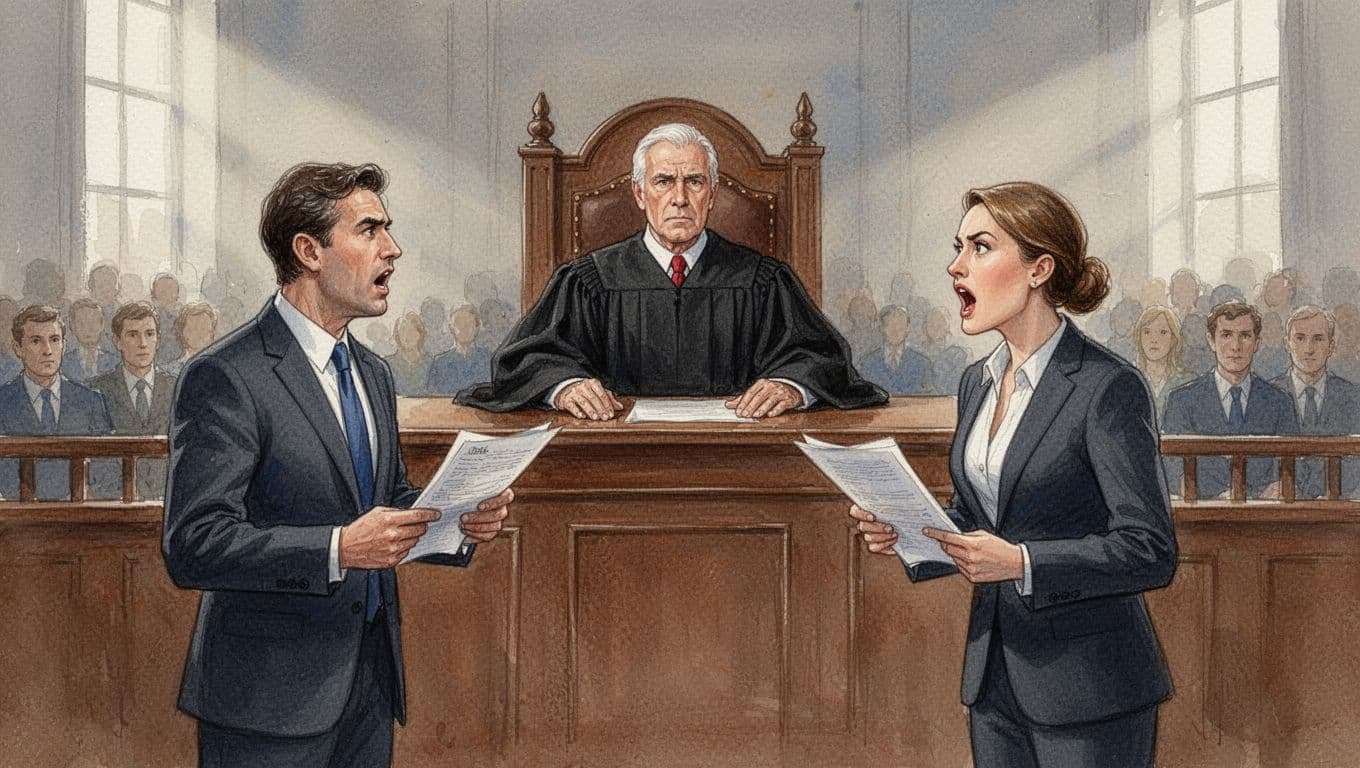
You love dispute resolution, so courts fit last. They enforce when others fail. Most times, arbitration or mediation win.
Fresh Trends Shaping Dispute Resolution in 2026
Dispute resolution in Kenya picks up speed as new tools and rules change the game. Courts push mediation harder now. Arbitration draws tech giants. AI steps in to sort cases faster. You see energy firms and data centers pick these paths because they save cash and time. In addition, hybrid mixes blend talks with rulings for tough spots. Kenya grabs a spot as Africa’s go-to hub. Deals settle quick; billions flow back to work.
Picture this. You face a contract snag with a partner. Old ways mean years in court. Now, smart clauses kick in early. A neutral pro guides talks. Or AI scans docs for fair splits. Results bind tight. Costs drop 70 percent versus trials. Flexibility lets you craft fixes courts ignore.
First, courts mandate mediation screens within 90 days of filing. Article 159 drives this shift. As a result, 85 percent of cases go ADR first. Energy spats over pipelines rise. Tech rows hit data centers building fast. For example, a 2025 Nairobi data hub fight wrapped in months via arbitration. No leaks; experts ruled on delays.
Best practices stick. Add ADR clauses at contract start. They pick rules and spots like Nairobi Centre for International Arbitration. Hybrids mix mediation first, then binding calls if talks fail. Benefits stack: privacy holds secrets. Speed beats backlogs. You keep ties for future deals.
Imagine using AI to settle your case fast. Tools like the American Arbitration Association’s platform crunch evidence. They spot patterns in claims. Kenyan centers test them now with ethics checks. Virtual hearings cut travel. A Mombasa firm used one in 2026 for a supply row. Award came in weeks.

Kenya shines as hub. Six top arbitrators rank global now. NCIA partners with builders for construction wins. Reforms eye third-party funds and fast tracks. You gain because local savvy meets world standards. Cross-border rows stay here, not London.
Success Stories That Prove Dispute Resolution Delivers
Real wins flood in from 2025-2026. Business partners in Kisumu fixed a split via mediation. One owed for bad parts; floods blamed. They met in a neutral cafe. Staggered pays plus ads sealed it. Firm grew 30 percent next year. No court fees ate profits.
Family rows heal too. Brothers in rural Meru fought land shares. Fists nearly flew over dad’s plots. Court mediator mapped fair cuts. They added a crop fund. Laughter returned by nightfall. Land stayed whole; bonds mended.
Stats back the rush. Court-Annexed Mediation hit 91 percent success on 26,991 cases by 2025. Employment topped 93 percent. In 2026, 85 percent of 1,073 referrals settled. Billions freed for business. Like Dieselgate echoes, a Kenyan auto firm managed emissions claims via arbitration. Experts ruled payouts; recalls skipped.
Partnership mediation shines in tech. A 2026 diesel supplier spat in Mombasa used hybrid. Talks first fixed blame. Binding award set terms. They saved millions; deal expanded.
Data centers tell more. A foreign builder delayed a Nairobi site. Locals claimed faults. Arbitration at NCIA used AI aids for docs. Award fixed pays in four months. Project launched on time.
These tales show dispute resolution works. You pick pros next to make it yours.
Conclusion
Negotiation rebuilds trust through direct talks. Mediation adds a neutral guide for tough spots. Arbitration delivers binding expert rulings. These tools form the core of dispute resolution in Kenya. They save time, cut costs, and mend bonds.
The Constitution’s Article 159 urges courts to push ADR first. Start there always. It clears backlogs and frees billions for business. Picture those Nairobi partners from the start. They shake hands now. Their firm grows strong.
Draft contracts with clear ADR clauses upfront. Pick the method and venue early, like Nairobi Centre for International Arbitration. This step prevents gridlock. You control the outcome from day one.
Love how dispute resolution turns fights to wins. Businesses thrive when owners choose smart paths. Partners laugh over tea again. Families keep land whole. Reach out to experts like Tangara Advocates for guidance on commercial dispute resolution services.
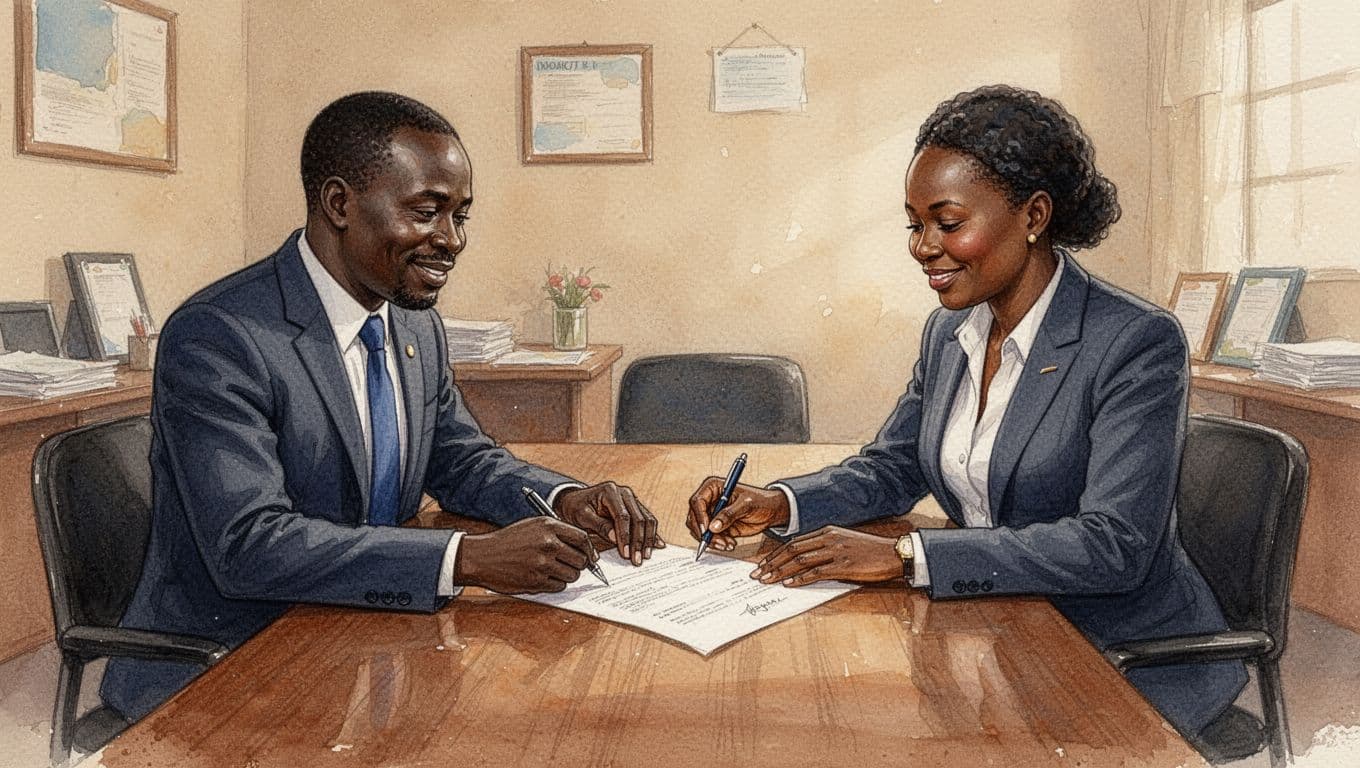
See it now. Two friends stand tall in a sunlit Nairobi office. Papers signed. Smiles wide. The skyline gleams behind them. Their deal expands. Futures bright. You can build that too.