

Imagine John, a shopkeeper in Nairobi. He wakes up one morning to find his M-Pesa account empty. Thieves had tricked his phone company into a SIM swap overnight. They took control of his number, drained Ksh 200,000 saved for his kids’ school fees, and left him broke.
Cyber crimes like this hit hard. They rob everyday people of savings and peace. Businesses lose customers and trust when hackers steal data. Kenya suffers too, as these attacks slow growth and scare investors away.
That’s why cyber crime laws in Kenya matter now more than ever. The main law, the Computer Misuse and Cybercrimes Act of 2018, fights back against hacking, fraud, and online threats. In 2025, updates gave police stronger tools, like shutting down harmful websites through the National Computer and Cybercrime Coordination Committee.
However, change came fast. In March 2026, Kenya’s top court struck down sections 22 and 23 on false publications. Judges called them too vague, a win for free speech. Yet, they upheld tough rules on cyber harassment, with penalties up to 10 years in jail.
For example, SIM-swap fraud now falls under expanded phishing bans. Unauthorized access to computers carries fines up to Ksh 10 million or five years in prison. These rules protect your digital life, from bank apps to social media.
You need this info today because scams evolve quick. One wrong click, and you’re the next victim. Enforcement ramps up, but courts review parts of the law, so clarity helps you stay safe.
This post breaks it down. You’ll see the law’s history, key offenses, stiff penalties, how police enforce it, steps to report crimes, and simple prevention tips. Ready to learn how to protect yourself?
How Kenya Built Its Cyber Crime Laws Step by Step
Kenya’s cyber crime laws started simple but grew fast to match rising threats. Picture a basic shield in 2018 that blocked hackers. Then, 2025 added sharp new edges against phone scams and bad websites. Finally, a 2026 court step refined it for better balance. These changes show how lawmakers and judges shaped strong rules step by step. You can trace the path clearly.
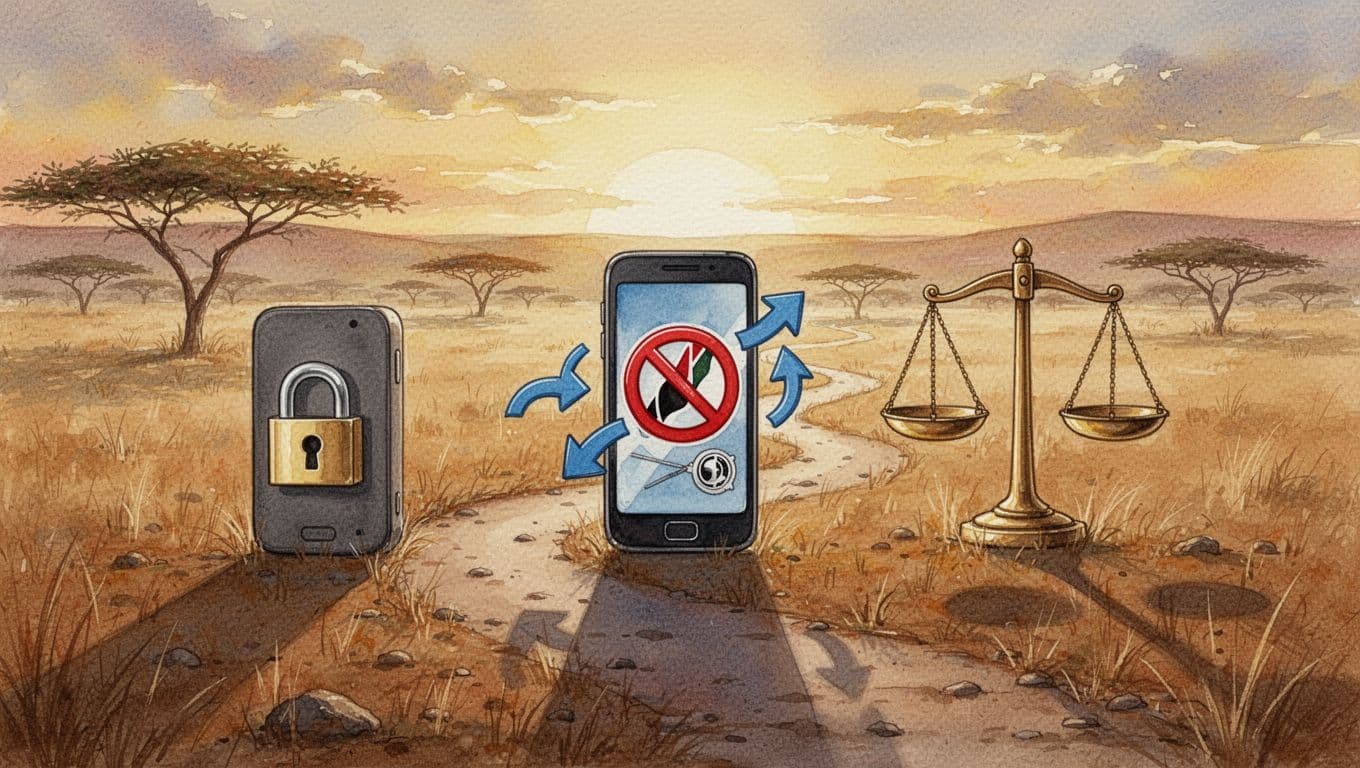
The Original 2018 Act That Started It All
Kenya needed cyber rules bad by 2018. Hackers hit banks and stole data from everyday users. So, lawmakers passed the Computer Misuse and Cybercrimes Act. It set basic protections for computers and online life.
This law targets core bad acts first. Unauthorized access tops the list. Someone breaks into your system without okay? They face fines up to Ksh 5 million or three years in jail. Next, data interference blocks changes to files or systems. Penalties hit Ksh 10 million or five years behind bars.
Forgery and identity theft got hit too. Fake digital docs or stolen IDs count as crimes. For example, a crook poses as your boss online to grab funds. The Act calls that out with stiff fines and prison time.
Goals stayed simple. Protect data privacy. Make probes easier for police. Balance that with free speech rights. Before 2018, Kenya had no clear cyber tools. Scams ran free because old laws missed digital tricks. Now, this Act gave courts power to fight back. Businesses breathed easier. Yet, gaps showed quick as phones became scam hubs.
In short, the 2018 law built the base. It stopped hackers cold and set penalties that scared crooks.
Big Updates from the 2025 Amendments
Threats outgrew the old rules fast. SIM swaps drained accounts overnight. So, President Ruto signed changes in October 2025. These tweaks to Kenya’s cybercrime legislation plugged holes with new bans.
SIM-swap fraud leads the pack. Thieves trick providers to switch your number. The update bans that outright. Penalties match phishing expansions, which now cover fake calls too. “No person shall use a computer to send false info for gain,” the law states simple.
Site blocking came next. The National Computer and Cybercrimes Coordination Committee, or NC4, gained teeth. They order takedowns for terror sites or child abuse pages. Police shut them fast.
Stronger powers help enforcement. NC4 coordinates across agencies. They remove fraud posts under Section 8 rules. Imagine scammers’ fake loan sites vanish in hours. That saves users money and stress.
These adds fit rising cases. Phone fraud jumped 30% yearly. Amendments speed responses. Yet, they keep checks to avoid overreach. In addition, fines rose for repeat offenders. Kenya now matches global standards better.
What the 2026 Court Ruling Changed
Courts stepped in March 2026. The Court of Appeal reviewed parts of the Act. They struck down Sections 22 and 23 on false publications. Judges found them too vague. That move boosted free speech wins.
Fake news rules went away. No more jail for “harmful” online posts that seemed unclear. Critics cheered because it stopped misuse against journalists. You can share views now without fear of broad charges.
However, cyber harassment stayed firm. Online bullying or threats carry up to 10 years in jail. The court upheld that part. It protects victims from digital abuse.
Pros shine bright. Speech flows freer. Reporters cover stories bold. On the other hand, cons worry some. Crooks might spread lies without check. Rights groups flag vague spots still. Misuse fears linger for harassment rules.
This ruling refined the law. It cut weak links but kept strong ones. As a result, cyber crime laws in Kenya balance safety and rights better. Enforcement focuses sharp now.
Top Cyber Crimes Kenyan Law Targets Today
Kenya faces cyber attacks daily. Thieves target phones and banks. These cyber crime laws in Kenya now hit back hard. As of April 2026, the Computer Misuse and Cybercrimes Act covers key threats like hacking and scams. Police prosecute them often. Losses reached millions last year. You see cases in news about drained accounts. Courts hand down big fines and jail time. Here’s what the law fights most.
Hacking and Sneaking into Systems Without Permission
Hackers slip into computers without a nod. They grab data or plant malware. Cyber crime laws in Kenya ban this under unauthorized access rules. Penalties reach 10 years in jail or KSh 5 million fines. Or both.
Crooks use viruses to mess up files. They spread them through emails or fake links. Illegal tools like keyloggers help too. Police seize these gadgets fast.
Think of a Nairobi bank app breach. A hacker cracked a customer’s login last year. He stole KSh 500,000 in minutes. The bank lost trust. Victims felt exposed.
Courts uphold these charges. They protect businesses and homes. In short, stay alert. Strong passwords block most tries.
Tricks Like Phishing and SIM-Swaps That Steal Your Info
Scammers send fake emails or calls. They pose as banks to snag passwords. Cyber crime laws in Kenya now target phishing hard after 2025 updates. These cover calls too. Penalties hit 10 years in jail or KSh 20 million fines.
SIM swaps fool phone firms. Crooks take your number. Then they grab M-Pesa codes. Thefts soared last year. One man lost KSh 300,000 overnight.
Prosecutions rise fast. Police nab gangs in Nairobi slums. They trace fake sites quick. For example, a 2025 ring hit 200 victims. Courts jailed leaders for years.
| Crime | Penalty |
|---|---|
| Phishing | Up to 10 years jail, KSh 20 million fine, or both |
| SIM Swap Fraud | Up to 10 years jail, KSh 20 million fine, or both |
These rules save cash. Victims report to police first. Meanwhile, banks add alerts. Scams hurt families bad. They steal savings built over time. Updates plug old gaps. Kenya fights back smart.
Online Harassment That Causes Real Fear
Bullies flood WhatsApp with threats. They send indecent messages. Victims shake with fear. Cyber crime laws in Kenya punish this clear. Up to 10 years in jail or KSh 20 million fines apply.
Courts back it strong. The 2026 ruling kept these rules. A woman’s case made news. Ex-partner stalked her online. Judge ordered him silent. He got two years.
Police get court nods to probe chats. They save logs as proof. Harassment breaks peace. It ruins jobs and sleep.
Examples pile up. Group chats turn mean. Teens face it most. Report it quick. Help stops the pain.
The Tough Penalties That Deter Cyber Criminals
Kenya’s cyber crime laws in Kenya hit cyber criminals where it hurts most. Heavy fines drain their gains. Long jail terms steal their freedom. Crooks pause before they strike because these punishments bite hard. Police enforce them quick, and courts back them strong. For instance, imagine a hacker plotting a bank breach. One arrest, and he faces ruin. That’s the deterrent at work.

Fines and Jail for Hacking and Fraud
Hackers break into systems without permission. They face fines up to KSh 10 million and five years in jail. Or both. Fraudsters trick users with fake sites or calls. Penalties climb to KSh 20 million fines and 10 years behind bars. Or both.
Protected systems draw worse. Government computers count here. Fines reach KSh 25 million. Jail hits 20 years. Death from a hack means life in prison. These numbers scare gangs silent.
Here’s a quick look at key penalties:
| Offense | Fine | Jail Time |
|---|---|---|
| Unauthorized Access | Up to KSh 10M | Up to 5 years |
| Computer Fraud | Up to KSh 20M | Up to 10 years |
| Protected Systems | Up to KSh 25M | Up to 20 years |
Courts add these fast. Victims get some cash back too. In short, money vanishes quick for crooks.
Punishments for Harassment and Defiance
Online bullies send threats. They pay up to KSh 300,000 fines and serve three years. Or both. Rules stand firm after 2026 reviews. Police grab chat logs as proof.
Defy a court order? Simple. Fines hit KSh 1 million. Six months in jail follow. NC4 blocks bad sites. Ignore that, and penalties stack.
For instance, a scammer rebuilt a fraud page after takedown. Police charged him extra. He lost everything. These add-ons keep offenders down.
Why These Rules Deter So Well
Tough penalties work because they match the crime. A small hack costs little to try. But 10 years? That’s forever lost. Families suffer too.
Fairness shows in court tweaks. Fake news rules fell in 2026. Speech stays free. Yet, real harms like fraud get crushed. Enforcement ramps up. Gangs scatter to safer spots.
Businesses report fewer hits now. You sleep better with M-Pesa safe. Crooks pick easier targets abroad. Kenya stands tall. These laws protect your daily grind.
Who Enforces Kenya’s Cyber Crime Laws
Kenya’s cyber crime laws in Kenya rely on a tight team of agencies. They spot threats, chase crooks, and lock doors on bad sites. Picture four players passing a hot potato fast: one catches it, another analyzes, the third grabs evidence, and the last slams the gavel. This setup keeps scams from spreading. You benefit because responses hit quick.

KE-CIRT Spots and Stops Threats First
KE-CIRT, or Kenya Computer Incident Response Team Coordination Centre, watches round the clock. They detect hacks and phishing before damage grows. For example, if malware hits a bank app, KE-CIRT alerts partners fast.
Housed at the Communications Authority, they link phone firms to police. Providers hand over logs quick because the law demands it. As a result, threats die early. Last year, they handled thousands of reports. You report incidents there first for swift help.
NC4 Coordinates Blocks and Big Responses
NC4, the National Computer and Cybercrimes Coordination Committee, runs the show. They set standards and order site blocks for terror pages or fraud hubs. Police pull the plug under their lead.
This group pulls agencies together. They share intel across borders too. In addition, NC4 guides takedowns of scam loan sites. Crooks lose tools overnight. Their power grew in 2025 updates, so enforcement speeds up.
DCI Cybercrime Unit Digs for Proof
The Directorate of Criminal Investigations, or DCI, cyber unit probes deep. They grab phones, trace IP addresses, and arrest gangs in hideouts. Forensic tools uncover hidden chats or fake accounts.
DCI works hand in glove with others. KE-CIRT sends tips; they build cases. For instance, a Nairobi SIM-swap ring fell in months. Suspects faced court with solid evidence. Prosecutions climb because of their grit.
Courts Issue Orders and Punish Fast
Courts wrap it up with trials and penalties. Specialized magistrates now handle cyber cases quick. They slap fines up to millions and jail time up to 20 years.
Fast restraining orders shine for harassment. Victims show screenshots; judges block contacts in days. Police enforce them strict. One woman stopped online threats cold last year. Her stalker landed in cuffs.
| Agency | Main Role | Key Action |
|---|---|---|
| KE-CIRT | Detects threats | Alerts and responds 24/7 |
| NC4 | Coordinates | Blocks harmful sites |
| DCI Unit | Investigates | Gathers evidence, arrests |
| Courts | Punishes | Issues orders, trials |
These teams sync smooth. KE-CIRT flags issues. NC4 rallies support. DCI hunts proof. Courts seal deals. Joint ops nabbed fraud crews recently. In short, your online world stays safer through their chain.
Step-by-Step Guide to Reporting Cyber Crimes
Scammers strike fast, but you fight back quicker. If a hacker drains your M-Pesa or bullies flood your inbox, cyber crime laws in Kenya give you clear paths to report. Start right away because evidence fades and crooks vanish. Police and agencies wait for your call. Follow these steps, and you turn victim into victor.

Step 1: Gather Solid Evidence First
Picture your phone buzzing with fake bank alerts. Snap screenshots now. Note dates, times, sender details, and full messages. Save emails, chats, or transaction logs too. Do not delete anything because that kills your case.
In addition, jot suspect info like usernames or phone numbers. Copy files to a safe drive or cloud. For example, if phishing hit, grab the dodgy link without clicking. This proof lets agencies trace crooks fast. You build a strong file in minutes.
Step 2: Report to Key Agencies Quick
Choose the right spot because teams specialize. KE-CIRT handles tech threats first. Use their portal at ke-cirt.go.ke/report or call +254-703-042700. Email incidents@ke-cirt.go.ke if needed. They respond round the clock.
Next, hit NC4 at nc4.go.ke/report-cybercrime-incident for coordination. DCI Cybercrime Unit takes investigations via dci.go.ke/public-complaints or +254 20 334 3312. Communications Authority helps at ca.go.ke or +254 703 042 000. Local police stations forward urgent cases.
Reports stay free and secret. Go anonymous on KE-CIRT if scared. Platforms like WhatsApp let you flag bad accounts too.
Here’s who to contact:
| Organization | Online Portal | Phone | |
|---|---|---|---|
| KE-CIRT | ke-cirt.go.ke/report | +254-703-042700 | incidents@ke-cirt.go.ke |
| NC4 | nc4.go.ke/report-cybercrime-incident | – | – |
| DCI Cybercrime | dci.go.ke/public-complaints | +254 20 334 3312 | info@dci.go.ke |
| Communications Authority | ca.go.ke | +254 703 042 000 | info@ca.go.ke |
Agencies share your report, so one call starts the chain.
Step 3: Follow Up and Seek Legal Help
Track your case with the reference number they give. Call back in days for updates. Police may ask more details, so stay ready.
If losses pile up, grab a lawyer sharp. They push for your cash back under the law. For instance, courts order refunds in fraud wins. You reclaim control, and justice rolls. Act today because delays let crooks slip away.
Easy Tips to Dodge Cyber Criminals in Kenya
You hold the power to stop cyber crooks before they strike. Kenya’s cyber crime laws in Kenya punish hackers and scammers hard, but your daily habits build the first wall. Think of your phone as a matatu packed with cash; lock it tight, check passengers, and drive safe. These steps fit right into the Computer Misuse and Cybercrimes Act rules. They keep M-Pesa funds secure and data private. Start small, stay consistent, and watch threats fade.
Build Strong Passwords That Crooks Can’t Crack
Weak passwords invite thieves like an open market stall. Create ones with uppercase letters, numbers, and symbols. Mix at least 12 characters, like “NairobiLion2026!”. Change them every three months. Never reuse across apps because one breach spills all.
For M-Pesa, memorize your PIN. Don’t jot it down or share it, even with family. Safaricom never asks for it by call or text. As a result, you block unauthorized access, a crime under the 2018 Act with fines up to KSh 10 million. In addition, enable two-factor checks on banks and emails. Test it now. Your accounts stay yours.
Skip Suspicious Links and Fake Messages
Phishers send texts like “Your M-Pesa locked, confirm here.” Don’t tap. Hover over links first; real banks use secure sites. Delete shady SMS about prizes or urgent payments. Half of Kenyans spot these frauds daily.
Picture a con artist at a busy Nairobi street, waving fake deals. Walk past. Instead, call your bank direct or log in through the app. This dodges phishing, banned hard after 2025 updates with 10-year jail terms. Meanwhile, teach kids the same. Families stay safe together.
Update Devices and Apps to Patch Holes
Old software sits like a rusty lock, easy to pick. Check for updates weekly on phones and laptops. Go to settings, hit “update all.” Restart after installs. Cyber laws target malware spread, so fresh systems fight viruses before they hit.
Business owners, use separate phones for M-Pesa work. Turn on transaction alerts via *234#. Spot odd moves quick, like a stranger dipping into your till. These habits align with KE-CIRT tips and cut risks sharp. Your gear runs smooth, threats bounce off.
Guard Personal Info and Watch for SIM Swaps
Crooks bribe agents for your number swap. Keep ID details private from strangers. Add a secret PIN with Safaricom for swaps. Check statements often by dialing *234# then 7 then 5.
Don’t chat PINs on WhatsApp. Review account access and boot old contacts. For example, a Nairobi trader saved KSh 100,000 this way last month. Harassment laws back you too; block bullies fast. Report to DCI if pressure builds. You control your line, peace follows.
In short, these moves empower you daily. Cyber crime laws in Kenya give backup, but your actions win the fight. Stay vigilant, live free.
Conclusion
Kenya’s cyber crime laws started with a solid 2018 base. Then 2025 updates plugged scam holes. Courts refined it in 2026 for better balance.
You now know top offenses like hacking and phishing. Penalties sting with million-shilling fines and long jail terms. Agencies enforce them tight.
In short, report fast and prevent smartly. Above all, bookmark KE-CIRT and DCI contacts from this post. Share it with friends to spread safety.
Picture John’s M-Pesa safe again because you act first. Consult a lawyer if trouble hits; they guide claims under these rules.
Kenya fights back strong against digital thieves. Your vigilance wins the day. Stay secure.