

Family Law Kenya: Marriage, Divorce, Custody Essentials
Picture a young couple in Nairobi’s crowded apartments. They wed under customary rites amid family cheers and drums. Years later, arguments erupt over money and kids. She packs bags, fearing for their two children, while he claims the house as his alone.
Family law steps in here. It sets clear rules for marriages, splits, child care, and home sharing in Kenya. This body of law shields you from chaos, ensures fair play, and keeps peace in your home.
Family law draws from the Constitution’s promise of equal rights. Article 45 calls family the foundation of society. Courts use it to balance modern needs with old customs. For example, no one forces a marriage; consent matters first.
In addition, key laws guide daily choices. The Marriage Act of 2014 lists wedding types: civil, Christian, Islamic, or customary. You register them all to protect your rights later. Without papers, proving your share gets tough.
The Children Act of 2022 puts kids first. Parents share duties for school, health, and love. Courts pick custody based on the child’s best life, not just blood ties. Both moms and dads stand equal as guardians.
Property fights? The Matrimonial Property Act of 2014 decides splits. Courts look at your cash input, home chores, or kid care. It’s not always half-and-half; effort counts. So, a wife who managed the farm gets her due.
These rules matter because life twists fast. A sudden loss or betrayal hits hard. Family law offers paths to heal and rebuild. Recent courts push talks over fights, saving time and tears.
You face divorce papers or custody battles? Know your ground rules now. As we break down marriage types next, see how they shape your story.
What Family Law Really Means for Kenyan Families
Family law sets the rules for your closest ties. It covers marriage bonds, divorce splits, child care duties, and inheritance shares. Think of it as the guardrail that keeps family life steady amid ups and downs. In Kenya, these rules pull from the Constitution of Kenya 2010, key statutes, and even time-tested customs. Men and women stand equal under them. No one gets shortchanged because of gender.
Picture a couple in Kisumu. She handles the home and kids while he earns the cash. Family law sees both efforts as equal. Courts split assets based on real contributions, not just paychecks. Besides, customs blend in where they fit modern fairness. However, consent rules all. No forced unions allowed.
Stats show why this matters. Divorce rates doubled since 1989. Now, 9.3% of women aged 15 to 49 face splits or separations, per the Kenya Vital Statistics Report 2024. Fewer marry too, down to 48.1%. As a result, more families turn to law for custody and support. Courts always put the child’s best interests first. They weigh love, stability, and school needs over parental fights.

In short, family law protects your home. It previews key areas like wedding rules, breakup processes, kid custody picks, property divides, and legacy passes. You gain tools to build or mend. Next, meet the main laws that shape these paths.
Key Laws That Guide Family Matters
The Constitution of Kenya 2010 forms the base. Article 45 calls family society’s natural unit. It demands equal rights in marriage and divorce. For example, both spouses claim fair home shares, no matter who bought the land.
Then comes the Marriage Act 2014. It lists types like civil, Christian, Islamic, and customary weddings. All need registration for protection. A couple forgets to register their church vows; later, she fights for her due. The Act steps in to validate it.
The Matrimonial Property Act 2014 handles splits. Courts divide assets by contributions, from cash to cooking. A wife farms the plot while he works town; she gets her fair cut. Equal rights shine here. Men and women count home labor the same.
Children Act 2022 shields kids. Parents share upbringing costs and care. Courts award custody by the child’s welfare. Mom and dad both qualify as guardians. Picture a split; judges pick the home with steady meals and school rides.
Family Protection Act 2011 fights harm. It bans violence and forced acts. A husband hits; she seeks orders to stay safe. Police enforce quick protection.
Finally, the Law of Succession Act sorts estates. It favors dependents first, spouses and kids. A dad dies without a will; his wife and children split the farm equally. Customs adjust for fairness.
These laws work together. They stress balance and rights for all.
Starting a Family: How Marriages Work in Kenya
You dream of building a life together. Laughter fills the air as you plan vows under Kenya’s sun. Yet family law ensures those promises hold weight. The Marriage Act 2014 recognizes five types: civil, Christian, Hindu, customary, and Islamic. Each demands free consent, age 18 or older, sound mind, no prior marriage, and no close blood ties. Spouses gain equal rights to property, decisions, parenting, and inheritance once registered. Unregistered unions risk leaving one partner empty-handed.
Civil marriages stay monogamous. Christian and Hindu ones do too. Customary and Islamic allow polygamy for men, but only if they treat wives fairly. Couples often convert types for legal protection. A church wedding might add civil papers later. So, registration seals equality under family law. Next, let’s walk through a civil union step by step.
Steps to a Valid Civil Marriage
Picture Jane and Tom in Nairobi. They met at a cafe, fell in love, and now crave a simple city wedding. Family law guides them clearly. First, both check eligibility. They must hit 18, stay single, and consent freely. No close relatives allowed.
They start on the eCitizen portal. Upload IDs, birth certificates, photos, and affidavits proving single status. Pay fees online. Then, publish a 21-day notice for objections. No issues? They book the registrar’s office.
On the day, Jane wears a white dress; Tom suits up. Two sober witnesses join. The registrar oversees vows. Sign papers, and eCitizen issues the certificate. Done. Now, equal partners in eyes of law.
This process keeps things straightforward. Jane and Tom own assets together. If splits arise, courts split fairly. Their quick steps protect future kids and home.

In short, civil rites offer security. Also, they blend with others if needed.
Customary and Religious Marriages Explained
Customary weddings paint rural joy. Elders gather; dowry seals bonds. Think Mary in Kisii village. Her groom pays cows; family dances under stars. Yet, polygamy tempts some men. Rights match civil ones only after chief’s letter and six-month registration.
Christian unions shine in churches. A pastor blesses rings; monogamy rules. Urban couples like those in Mombasa add hymns and cake. Hindu rites feature fire ceremonies; priests chant. Both need registrar filing for full force.
Islamic marriages follow Kadhi courts. Men wed up to four wives fairly. A mosque in Lamu hosts quiet vows. All types gain recognition like civil. Spouses share equality.
Rural Mary skips papers at first; urban Peter registers his church one. Law blends customs with modernity. Courts uphold registered rites. Unregistered? Women lose property claims often.
Challenges hit polygamous setups. Extra wives fight for shares. Conversion helps; add civil layers. Happy dances fade to arguments sometimes. Money dries up; kids need homes. Family law steps in for fair splits next.

These paths start families strong. However, when joy sours, divorce rules wait.
Facing Divorce: Property Splits and Support Payments
Joy fades sometimes. Couples argue over money or trust. Then, one files papers. Family law steps in to guide the split. Courts handle divorce under the Marriage Act 2014. They focus on fair ends for everyone. You face this path? Know the steps first. Peaceful talks often work best before court fights.
Common Reasons Couples Head to Divorce Court
Tensions build fast. One spouse cheats or hurts the other. These acts push couples to court. The Marriage Act lists clear grounds. Irretrievable breakdown tops them. It covers adultery, cruelty, or desertion. For example, a wife proves her husband stayed away three years. Courts grant the split.
Adultery breaks trust. One partner sleeps outside the marriage. You need strong proof, like messages or witnesses. Cruelty includes beatings or constant insults. It makes home unlivable. Desertion means no contact for years. Exceptional depravity fits wild cases, such as drug-fueled violence.
Mental illness or incurable disease counts too. If it ends shared life, judges agree. Separation for two years shows breakdown often. Customary marriages add tribe rules. Islamic ones go to Kadhi courts.
The process takes time. File a petition in High Court. Serve papers to your spouse. They respond in 30 days. Hearings follow over months. Full divorce might span a year. Yet, courts push mediation first. Talk with elders or counselors. Many couples settle without judges. It saves cash and pain.
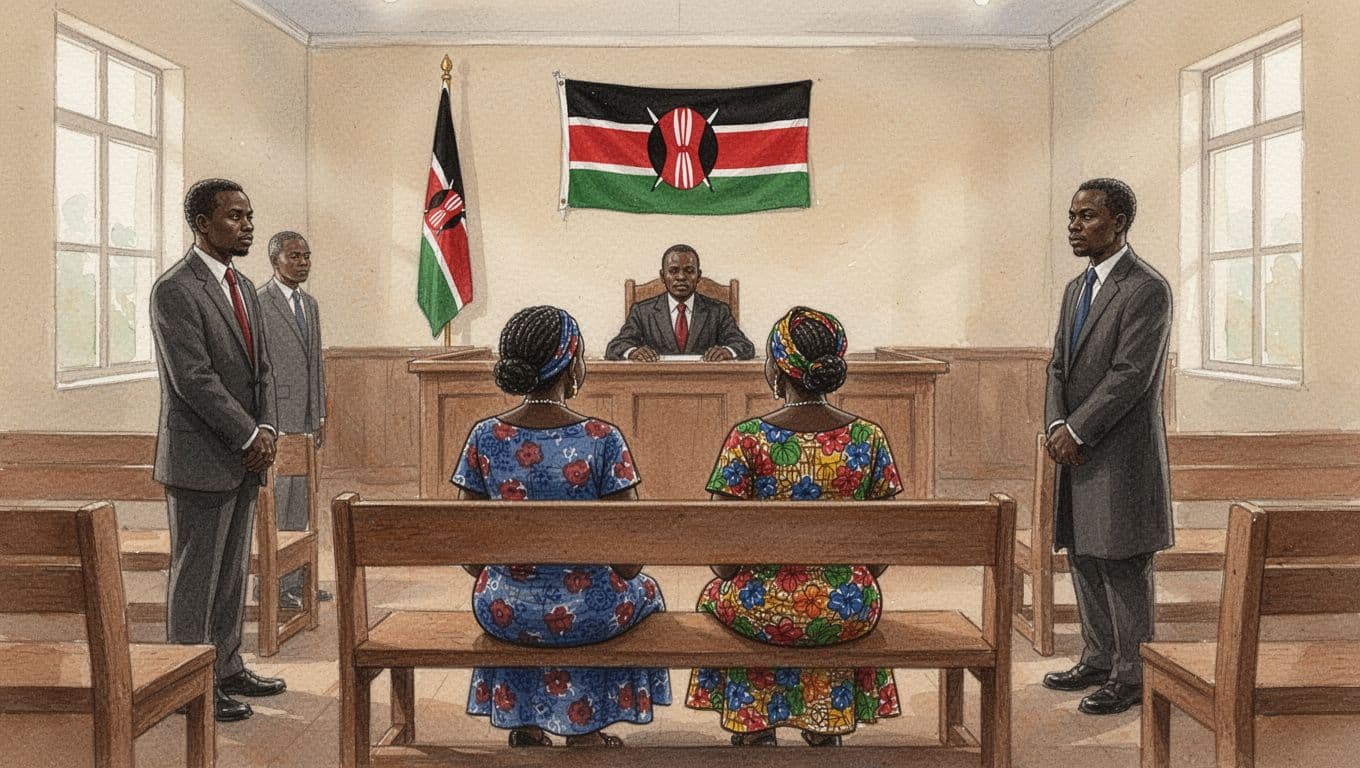
Breathe deep during this. Seek friends or pastors. Courts aim for calm ends. For example, a Nairobi man faced cruelty claims. He agreed to counseling. They parted friends.
Fair Ways Courts Divide Matrimonial Property
Splits hurt most over homes and land. The Matrimonial Property Act 2014 sets rules. Courts look at all contributions. Cash buys matter. So do home care and kid raising. No one gets nothing for cooking or cleaning.
Judges weigh direct input, like salary for the house. They add indirect efforts too. A wife farms while he works town. Both share the plot. For example, in one case, she got 40% of the farm. Her daily labor counted equal to his checks.
Assets split on marriage date value. Pre-wedding buys stay separate. Joint ones divide fair. Houses, cars, businesses all count. Courts use facts, not wishes. Spouses prove inputs with bank slips or witness tales.
Take Mary from Kisumu. She raised four kids and sold maize. Her husband built their shop. Court gave her the home and half the business. Effort balanced the scales.
Disputes go to High Court. Mediation tries first. If not, judges rule. They protect weak sides, like stay-home moms. Recent rulings stress non-cash work. For example, a Mombasa wife won land shares for her housekeeping.

List your shares early. Keep records of payments and chores. This builds your case. Courts reward honesty. In short, family law sees full pictures.
Who Pays Maintenance After Split?
Kids need food and school. Spouses might too. Courts order payments under family law. Parents owe duties first. Both share child costs based on income. Moms or dads pay if able.
Factors guide amounts. Look at kid needs, parent earnings, and home standards. Courts check health and job skills. For example, a dad earns well; he covers fees and clothes. Mom gets less if she works too.
Spousal support fits needy cases. Short marriages rarely get it. Long ones with home roles might. A wife quits work for kids; she claims aid. Judges limit it to years, not life.
Enforce orders firm. Miss payments? Courts attach wages or jail you. File claims in children’s court for kids. High Court handles spouses.
Picture John in Eldoret. He pays monthly for two sons. Mom tracks via bank. One boy smiles at school plays. Peace holds.

Talk openly about money. Use lawyers for fair deals. Courts back parents who step up. Kids win most.
Putting Kids First: Custody, Adoption, and Protection
Kids stand at the heart of family law in Kenya. After a divorce or split, parents often clash over who raises them. Courts step in under the Children Act 2022. This law demands equal rights for moms and dads. Most importantly, it puts the child’s best interests first. Safety tops the list. Then comes steady homes and school. Parents share duties for food, health, and love. You fight for custody? Know what judges weigh. In addition, adoption builds new bonds the right way. Protection orders stop harm at home. These tools keep children safe and thriving.
Winning Child Custody: What Courts Look At
Courts award custody based on the child’s welfare. The Children Act 2022 sets this as the top rule. Section 8 stresses safety, health, and growth. Judges check the full picture. They ignore parent wishes alone. For example, a Nairobi mom sought sole care. The court shared it because dad showed steady job and school help.
Safety comes first. Does the home shield from abuse? Courts probe past harm. Stability follows. Kids need routine schools and friends. A child’s voice matters too, if old enough. Ten-year-olds often share views in private talks. Parents’ ability counts next. Can you pay fees or attend doctor visits?
Both moms and dads hold equal rights. Unwed fathers claim custody like married ones. Joint custody works best when parents cooperate. One lives with mom weekdays; dad gets weekends. Sole goes to one if the other endangers. For instance, a dad in Kisumu won sole after mom neglected school. He proved meals and rides daily.
Orders change if life shifts. A job loss or new harm prompts reviews. File in Children’s Court. They enforce visits or payments fast. Picture siblings split in a fight. Judges unite them for emotional ties.
Here is what courts check most:
- Emotional bonds: Strong links with each parent.
- Daily care history: Who fed, bathed, and played before?
- Home setup: Space, food, and community near school.
- Child’s age and needs: Toddlers crave mom; teens pick stability.
- Parent capacity: Income for basics, no substance issues.
In short, prove you build the best life. Courts reward involved parents. As a result, kids smile through tough splits.
Adoption: Building Families the Right Way
Adoption creates forever homes under the Children Act 2022. It replaced older rules with clearer steps. You gain full parental rights, like inheritance and new birth certificates. Kids get love and culture in Kenya. Foreign adoptions pause now. Locals or residents apply through societies like Child Welfare Society.
Who qualifies? You need age 25 or older, 21 years above the child. Stay under 65 often. Singles, couples, or relatives fit if stable. Show health, income, and clean police record. Relatives adopt easier with family proof.
The process starts simple. Contact a registered society. Submit ID, medicals, and motive letter. They run home studies over one to three months. Social workers visit, interview, and check safety.
Next, they match you to a child over six weeks old. Bond in fostering for three months minimum. Supervised visits build trust. Then file in High Court. Include reports and consents. Judges review for child welfare. Approval takes three to twelve months.
Benefits shine bright. Kids escape orphanages for family meals and play. You fill homes with joy. Legal ties match birth ones. One Kisii aunt adopted her niece after parents passed. Court saw steady farm life. She gained school pride.
Costs cover fees, not bribes. Use lawyers for smooth paths. Societies guide free. In addition, kinship keeps culture alive. Start today; families grow strong.
Stopping Domestic Violence in Kenyan Homes
Violence shatters homes fast. The Family Protection Act 2011 defines it broad. Hits, threats, or forced sex count. Emotional control or economic cuts too. One in four Kenyan women faces it, per reports. Kids witness scars that last.
Report right away. Call police at 999 or 112. They take statements and probe. Children’s Court or High Court hears cases. Protection orders come quick. They bar abusers from home or contact. Violate? Jail follows.
Support waits nearby. Gender desks at stations help women. FIDA-Kenya offers free lawyers. Shelters like Beyt al-Nisa house safe. Hotlines like 1195 link to counselors. For example, a Mombasa mom fled beatings. Court granted orders; she rebuilt with job aid.
Law details empower you. Act covers all, men or women victims. Kids get priority shield. Police arrest without warrant if risk shows. Orders last up to a year, renewable.
Act now. Tell a friend or elder first. Document bruises or texts. Courts back victims strong. One dad protected his daughter from stepmom harm. He won custody and orders.
Services include:
- Counseling centers: Free talks heal minds.
- Legal aid: Pro bono fights for orders.
- Medical help: Hospitals report and treat.
Don’t wait alone. Help stops cycles. Kids grow safe. Your voice changes homes.
Inheritance Rights: Who Gets What When a Loved One Passes
Death touches every family. A parent slips away, leaving land, homes, and savings behind. Family law steps in through the Law of Succession Act to sort shares fairly. This act honors the Constitution’s equal rights push. Spouses and children claim top spots. Yet disputes brew, especially where customs clash with rules. You plan ahead? Control the outcome. No plan? Law divides by order. Recent cases show courts favor dependents first. Gender plays no role; daughters match sons. As a result, families avoid years of fights.
Making a Will to Control Your Legacy
You hold the pen. Write a will under the Law of Succession Act, and you pick heirs. Start simple. Name yourself clearly at the top. List assets like farms or bank accounts. Name executors to handle sales or debts. Give shares to spouse, kids, or charities. Sign in front of two witnesses over 18. They watch, then sign too. No family ties for them. Keep it in Kenya; date it fresh.
Benefits beat intestate chaos. Courts skip your wishes without one. Heirs fight over old customs. A will cuts delays. One dad in Nakuru named his daughter for the shop. Sons agreed fast. Peace held. Update after births or splits. Lawyers help for complex lands.
Picture this calm scene.
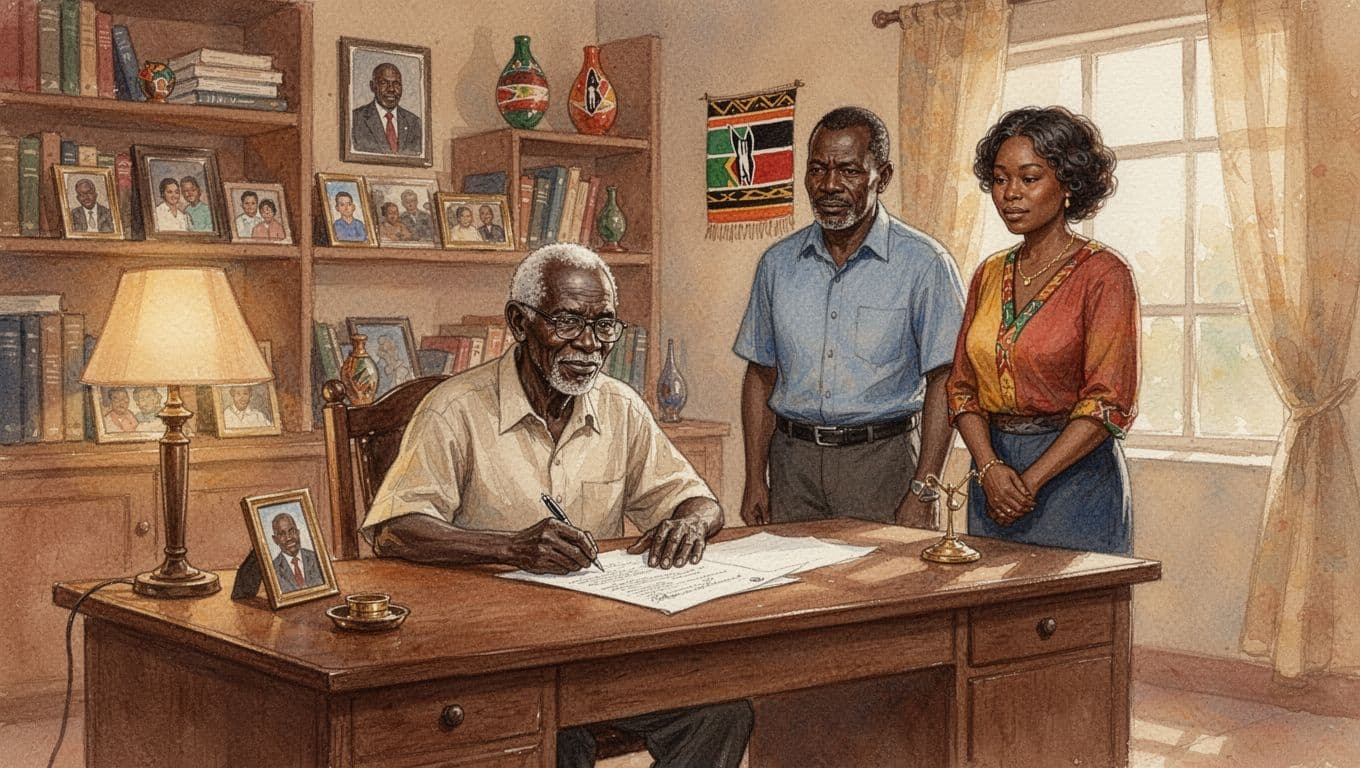
Store safe with family or banks. Courts probates valid ones quick. Intestate drags one to five years. Wills save bonds and cash.
No Will? Here’s How Assets Divide
No paper? Intestate rules kick in. The Law of Succession Act sets order. Spouse grabs household goods first. Then life interest in the rest. Kids split equal when spouse passes. Sons and daughters share alike. No gender tilt.
No spouse or kids? Parents take next. Brothers or sisters follow. Law skips customs that favor men. Constitution demands equality. A Luo farm goes half to widow, half to all children. Statute trumps tribe rites.
Polygamous setups split fair. Each wife and her kids claim shares. Courts probe proofs. Disputes rage here. One Mombasa case dragged years; sons blocked sisters. Judges enforced equal cuts.
See a family weigh options.

File in High Court fast. No inheritance tax bites. Sell later? Capital gains apply. Talk early; elders mediate customs. Law protects all.
Smart Steps to Handle Your Family Law Challenges
Family troubles strike without warning. A spouse leaves, or kids need protection. You feel lost in the storm. Smart steps turn chaos into control. First, stay calm and act fast. These moves build your case and save time. Facing a dispute? Start here for clear paths forward.
Consult a Lawyer Early
Reach out to a family law expert right away. They spot issues you miss. For example, a Nairobi wife ignored early advice. She lost home shares later. Lawyers know the Marriage Act and Children Act inside out. They guide you through custody or divorce claims.
Pick one with local court wins. Free first chats help at firms like FIDA. Costs beat court losses. In addition, they draft papers right. So, you avoid delays. Picture peace returning as plans form.

Most importantly, early talks prevent big fights. Act now; regret fades.
Gather Key Documents Now
Collect papers before needs grow. Banks slips show cash inputs. Marriage certificates prove ties. Birth records list kids. Photos or texts back abuse claims. Keep them safe in folders or clouds.
Why bother? Courts demand proof. A Kisumu dad forgot receipts. He lost maintenance fights. Start lists today. Include pay stubs, house titles, and witness notes. As a result, your story strengthens. Meanwhile, scan copies for backups.
This step costs nothing but time. Yet, it shifts power your way. In short, ready files win days.
Opt for Mediation First
Talks heal faster than trials. Mediators bridge gaps in neutral spots. Couples split assets without judges. The Marriage Act pushes this route. For instance, elders help in customary cases. Success rates top 70%.
Hire trained ones from courts. Sessions run weeks, not years. Kids stay calm too. However, force stops if talks fail. Picture hands shaking over fair shares.

Besides, it saves cash. Try it before petitions.
Know When Courts Handle It
Mediation stalls? File in High Court or Children’s Court. Grounds like cruelty trigger action. Recent rulings equalize widower rights and out-of-wedlock kids’ shares. No huge shifts post-2024, but equality grows.
Judges weigh welfare first. Gather help then. Police aid violence cases. In addition, appeals fix errors. You stand strong with steps done.
Why O.M Tangara & CO Advocates Shines Better
Family law battles test your strength. You need a team that fights smart and cares deep. O.M Tangara & CO Advocates rises above others in Kenya. They handle marriage ties, divorce splits, and custody wins with sharp focus. Clients trust them because results follow. For example, they turn complex cases into clear victories. Their edge comes from years in the field and real heart for families.
Picture your worry easing as experts map your path. They know every rule from the Marriage Act to Children Act. No guesswork here. Instead, they build cases that courts respect. Besides, they listen first. Your story shapes the plan. As a result, you feel heard and strong.

Masters of Kenyan Family Law Nuances
O.M Tangara & CO Advocates grasps family law inside out. They spot details others miss. Take property divides. They prove your home chores count as much as cash inputs under the Matrimonial Property Act. A client once saved her farm share this way. Courts nodded yes.
They excel in custody too. Judges weigh child welfare; this firm stacks evidence for stable homes and bonds. Moms win joint care. Dads gain weekends with proof of steady support. In addition, they blend customs smoothly. Customary marriages get full legal weight. No one loses rights to old rites.
Most importantly, they stay current. New rulings on equal shares hit fast. They adapt quick. So, your case rides fresh waves. Meanwhile, rivals lag behind.
Personal Touch That Builds Trust
Big firms rush cases. Not here. O.M Tangara & CO treats you like family. First meetings dig into your pain. They craft plans around your needs. Divorce? They push mediation to spare kids tears. Success comes calm.
Costs stay fair too. No surprise bills. They explain fees upfront. For example, a Nairobi mom got custody help without breaking her budget. She rebuilt strong. Clients return because care lasts. Referrals flow from happy ends.
In short, they partner with you. Trust grows; wins follow.
Track Record of Real Wins
Results speak loud. O.M Tangara & CO delivers in High Court and Kadhi rooms. They snag fair maintenance for kids. Spouses walk away balanced. One dad kept his shop share after a tough split. Proof of joint effort sealed it.
They shield from violence too. Protection orders land fast under the Family Protection Act. Abusers back off. Families heal. Although challenges arise, their prep turns tides. Clients praise the calm guidance. You gain peace plus justice.
Choose them for family law fights. Strength meets smarts. Your future brightens.
Conclusion
Kenyan family law shields homes from chaos. It grants equal rights in marriages, fair splits in divorces, and protection from harm. Picture that Nairobi couple again. Drums once echoed their joy. Now, solid rules ensure kids eat steady meals and land shares honor every effort.
Courts always place the child’s best interests first. Parents share custody and costs based on real ability. Violence stops with quick orders. Estates pass to spouses and children alike, no matter customs. These protections keep families whole or mend them strong.
Yet battles demand sharp guidance. Lawyers spot proofs others miss. They push mediation first, then fight smart in court. O.M Tangara & CO Advocates masters these paths. Clients rebuild with peace and justice.
Kenyan families thrive under fair resolutions. Kids grow safe. Homes stay balanced. Reflect on your rights today. Contact O.M Tangara & CO Advocates now to secure your story. Strength waits in knowing the law stands with you.