

Environmental Law in Kenya: Principles, Key Laws, and 2026 Trends
Imagine a river in rural Kenya, its waters choked with factory sludge and plastic waste. Fish floated belly-up, and villagers drew water at their peril, their health fading from the poison. One community fought back with a lawsuit, forcing the polluter to pay for restoration.
Today, that river runs clear again. Schools of tilapia dart through clean currents, kids play on verdant banks, and crops thrive nearby. This turnaround shows environmental law in action; it delivers real change.
Environmental law means rules that shield air, water, land, wildlife, and people from threats like pollution or deforestation. Governments craft these laws to stop harm before it spreads. For example, they ban toxic dumps and mandate clean tech in factories.
You benefit directly. Clean air cuts sickness and hospital bills. Healthy lands support farms, jobs, and tourism dollars. In addition, these protections secure green forests and blue skies for your kids and grandkids.
Kenya faces big tests, though. Illegal sand mining scars riverbeds. Plastic clogs Nairobi’s streams. Yet environmental law arms citizens, businesses, and courts to push back.
This post breaks it down for you. First, grasp the core principles, like the “polluter pays” rule and sustainable development. Next, trace the history: from the 1972 Stockholm Conference to Kenya’s 2010 Constitution, which embeds eco-rights.
We’ll spotlight key global laws, such as the Paris Agreement, and Kenyan ones like the Environmental Management and Coordination Act. In addition, explore recent shifts, including the Climate Change Amendment Act and 2026’s carbon market rules.
Picture companies trading emission credits while restoring wetlands. Or AI firms reporting energy use under the National AI Strategy. These trends promise green growth.
However, challenges loom. A KSh 3.4 billion funding gap starves enforcement. The National Environment Management Authority lacks staff for inspections. Still, successes inspire, from tree-planting drives to corporate climate pledges via Chapter Zero.
Enforcement ramps up with court orders and fines. Future hopes shine bright: more funds, tech for monitoring, and regional leadership. As a result, Kenya eyes a resilient, lush tomorrow.
Ready to uncover how environmental law guards your world?
Core Principles That Guide Environmental Law
Environmental law in Kenya rests on solid principles. These rules shape how we protect rivers, forests, and air. They push leaders, companies, and citizens to act smart. Prevention stops harm upfront. Polluters foot cleanup bills. Caution rules when risks hide. People speak up on big plans. Sustainability saves resources for the future.
This table sums them up fast:
| Principle | Meaning | Kenyan Example |
|---|---|---|
| Prevention | Check projects early with impact assessments | EMCA requires permits; 2025 court revoked quarry license for ignored EIA rules |
| Polluter Pays | Harm-doers pay for damage and fixes | Kenya Pipeline ordered to restore river, pay KSh 900 million fine in 2025 case |
| Precautionary | Pause if dangers unclear, like new chemicals | Blocked land titles on wetlands to guard ecosystems |
| Public Participation | Locals join project choices | Article 69 demands input; 2026 court probed NEMA rules |
| Sustainability | Balance today’s needs with tomorrow’s | Constitution ties eco-rights to fair resource use |
These ideas come alive in courtrooms and communities. Let’s explore each one.
Prevention: Stop Damage Before It Starts
Builders eye a spot by the river. They dream of factories or roads. But first, they halt. Why? Prevention demands proof no harm comes. Experts run environmental impact assessments, or EIAs. They map risks to water, soil, and wildlife. Kenya’s Environmental Management and Coordination Act, or EMCA, sets this rule. No permit, no start.
Picture a team at work. They check soil samples and talk plans.

In 2025, a court pulled an industrial license. The firm skipped EIA fixes from NEMA. Judges said assessments bind projects. They prevent poisoned rivers or lost farms. Take pesticides. Limits keep bees buzzing and crops safe. Factories near rivers face bans without checks. Because prevention works, communities breathe easier. Also, it saves cash on later cleanups. EMCA enforces this nationwide. Projects wait until safe. As a result, Kenya dodges disasters.
Polluter Pays: Clean Up Your Own Mess
A pipeline bursts. Black oil slicks a river. Fish die. Farmers lose crops. Who fixes it? The company does. Polluter pays means they cover costs. No free rides for spills or waste.
Workers rush in with booms and skimmers. They scrub banks and watch birds return.
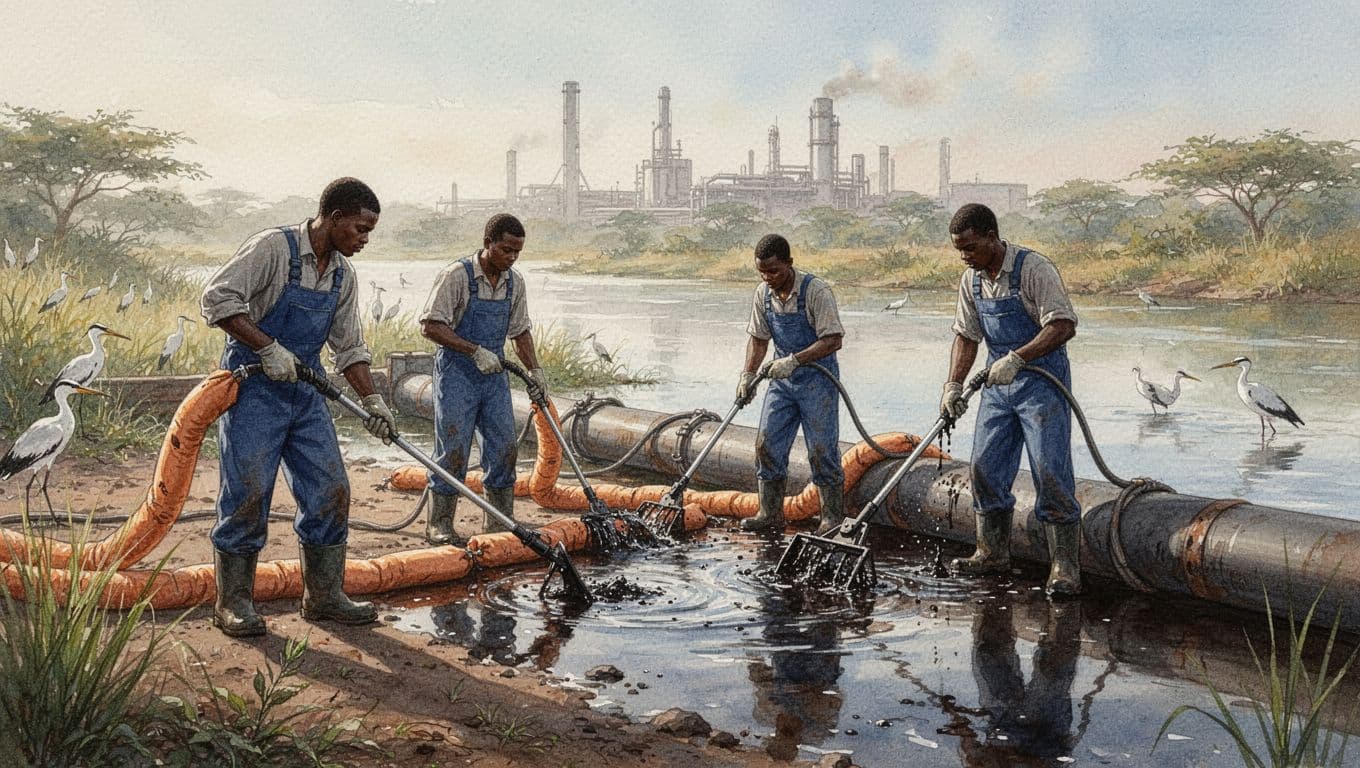
Look at Kimeu & 3074 Others v Kenya Pipeline Company Ltd in 2025. Oil fouled the Thange River. The court ordered full restoration in 120 days. Fail that, pay KSh 900 million. Plus, KSh 2.1 billion to victims for lost jobs. This hits global standards too. Firms think twice before sloppy work. In Kenya, fines stack up fast. However, success shows when rivers run clear again. Polluters learn because courts enforce it. Businesses install better pipes now. Communities win back livelihoods.
Precautionary Approach: Better Safe Than Sorry
New chemicals hit farms. Or GMOs promise big yields. Dangers lurk unknown. What then? Pause. The precautionary approach says act safe first. Proof of no harm comes later.
This stems from the 1992 Rio Declaration. Kenya weaves it into EMCA. Courts block risks upfront.
In early 2025, judges halted land titles on wetlands. Development threatened flood barriers and wildlife homes. They cited Article 69 and precaution. Full checks first. No rush approvals. Because unknowns kill quietly, this rule guards Nairobi’s edges. GMOs face tests too. Farmers wait on safety data. As a result, ecosystems stay whole. Still, it slows some projects. Yet benefits outweigh. Healthy lands feed generations.
Public Participation and Sustainability in Action
Villagers gather under an acacia. They eye mine plans or dams. Voices rise. Public participation lets them shape choices. Sustainability balances now and later. Use soil today, leave some for kids.
Kenya’s Constitution Article 69 demands this. Clean water and healthy lands for all.

In Justice v NEMA (2026), courts checked EIA rules. Did they skip public input? EMCA Section 129 requires it. Locals joined land fights too, like against quarries. Sustainability shines in tree drives and wetland saves. Because people speak, plans shift. Mines add buffers. Dams spare fish paths. However, weak enforcement bites sometimes. Still, Article 69 empowers. Communities guard futures. Resources last longer.
The Evolution of Environmental Law Worldwide and in Kenya
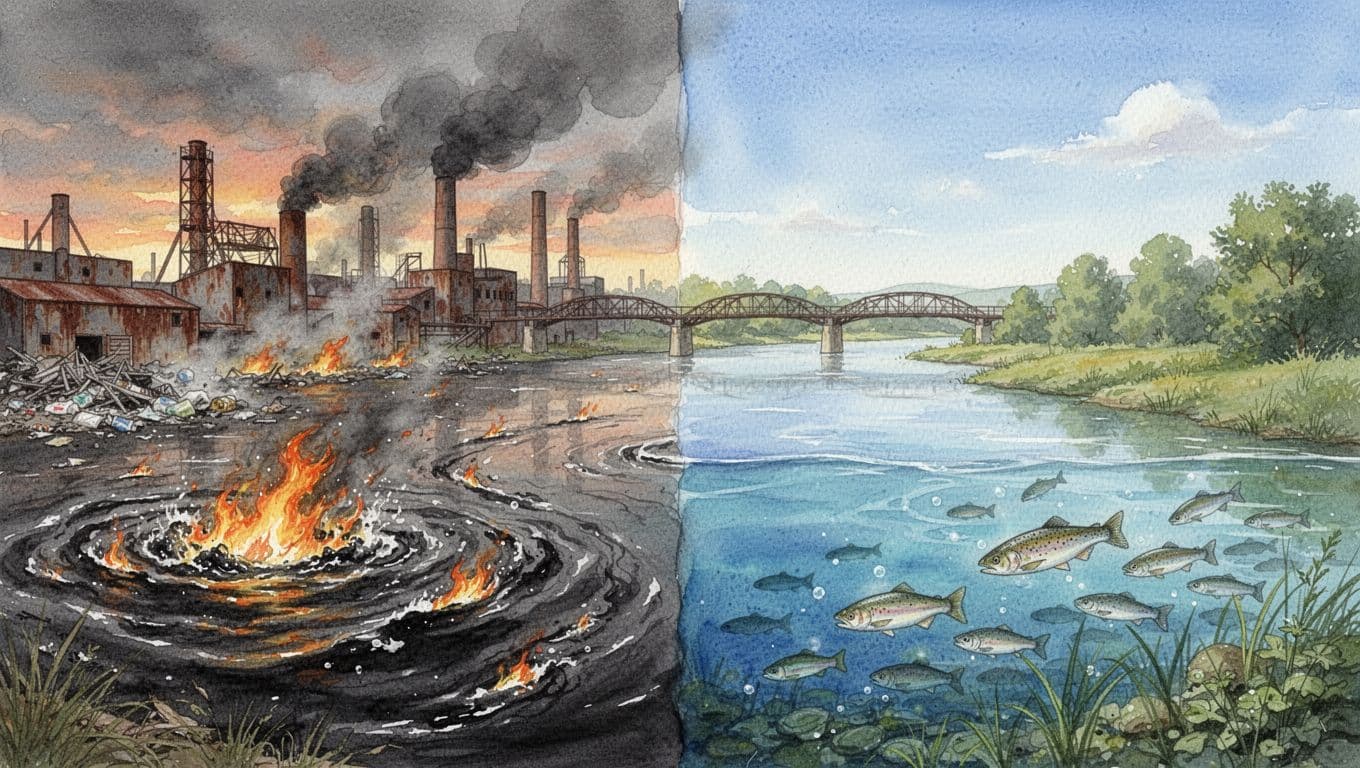
Environmental law grew from crisis to cornerstone. First, disasters forced action. Rivers burned. Skies choked with smog. Then, nations united. Treaties healed the planet. In Kenya, colonial chains broke. Leaders built shields for land and water. Now, courts enforce rights. Smoky cities fade to blue skies. Clean rivers flow free. This path shows how rules save tomorrow.
Global Milestones That Changed the Game
Fiery rivers grabbed headlines in the 1970s. Oil-soaked waters blazed in industrial hubs. Factories spewed poison unchecked. People demanded change. First, the 1972 Stockholm Conference sparked it all. Nations gathered in Sweden. They penned 26 principles. Principle 21 banned harm across borders. It birthed modern environmental law.
Next, treaties tackled threats head-on. In 1973, CITES curbed wildlife trade. Elephants and tigers got shields from poachers. Then, 1987 brought the Montreal Protocol. Countries phased out ozone-killers like CFCs. The sky’s shield mended. UV rays dropped. Success proved laws work.
Here are key steps in a quick timeline:
- 1972 Stockholm Declaration: Launched UN action; right to healthy environment.
- 1973 CITES: Controls trade in endangered species.
- 1987 Montreal Protocol: Ends ozone destroyers; full recovery by mid-century.
- 1992 Rio Earth Summit: UNFCCC for climate; biodiversity pact; sustainable growth focus.
- 2015 Paris Agreement: Caps warming at 1.5-2°C; nations set green goals.
Rio in 1992 painted hope. Leaders signed climate and forest deals. Paris sealed it in 2015. Countries pledge cuts. Updates roll every five years. Because talks turned words to wins, ozone holes shrink. Forests stand taller. Global law binds us all.
Kenya’s Path to Stronger Protections
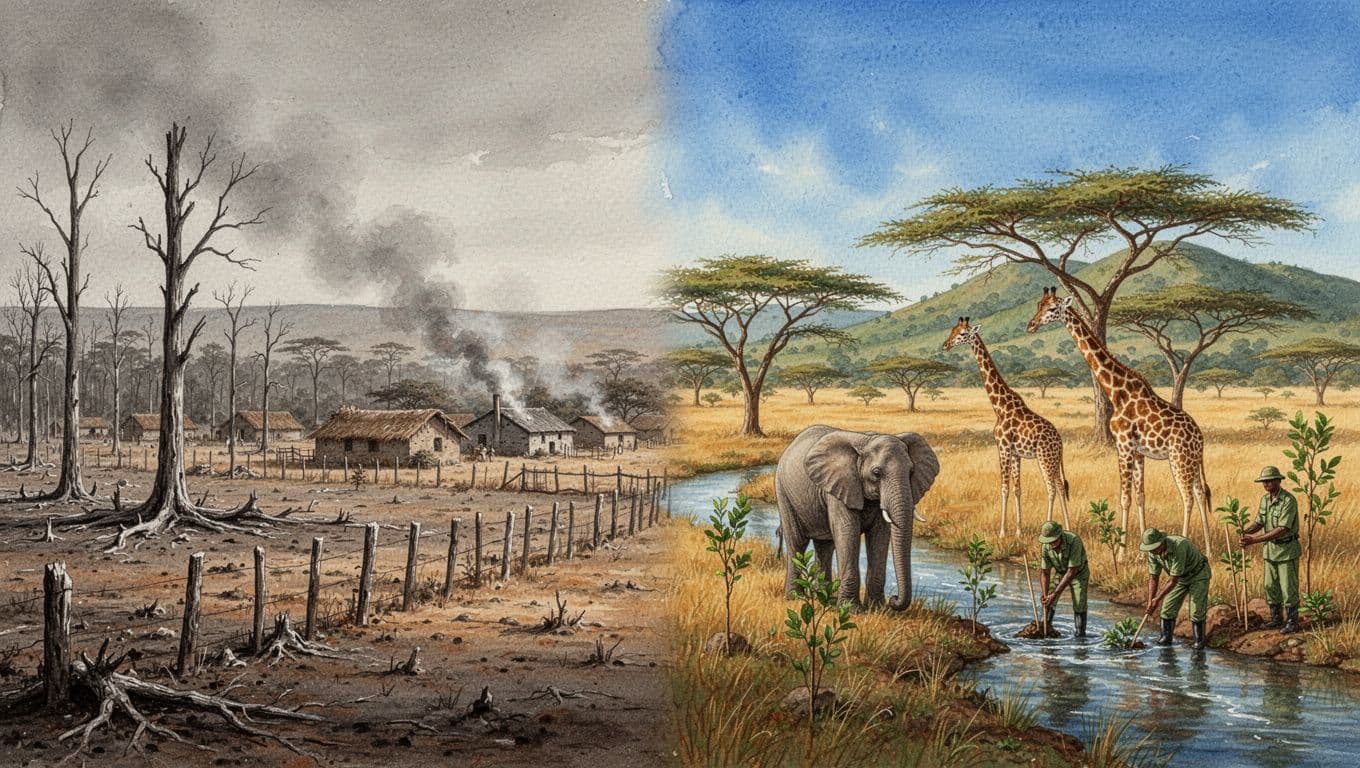
Kenya’s story starts grim. Colonial rules favored settlers. Forests fell for farms. Africans got scraps. Barren lands scarred the earth. Independence in 1963 shifted gears. Yet, 77 old laws scattered efforts. Pollution rose unchecked.
First, 1999 marked a leap. Parliament passed EMCA. It unified rules. NEMA rose to lead. Audits, permits, and public say became law. Updates in 2015 sharpened EIAs. Communities joined fights.
Then, the 2010 Constitution locked it in. Article 42 grants clean air and water rights. Article 69 commands eco-care. States must sustain resources. Public input rules projects.
Key milestones trace the climb:
- Pre-1963 Colonial Era: Resource grabs; weak forest codes.
- 1963-1999 Post-Independence: Fragmented laws; courts ease public suits.
- 1999 EMCA: Creates NEMA; centralizes management.
- 2010 Constitution: Articles 42 and 69 embed rights.
- 2015 EMCA Amendments: Boosts EIAs and participation.
- 2024-2025: Carbon rules; court wins save wetlands.
Courts wield these tools now. Judges block risky builds. Precaution guides. Rivers rebound. Because roots run deep, Kenya leads East Africa. Forests green again. Wildlife roams safe.
Major Laws Shaping Environmental Protection Globally and Locally
Laws form the backbone of environmental law. They bind nations and communities to protect shared resources. Global treaties set the stage, while Kenya’s statutes deliver on the ground. These rules cut pollution, save wildlife, and fight climate shifts. Companies comply or face fines. Citizens gain tools to sue polluters. Because strong laws work together, Kenya balances growth with green spaces. Now, let’s spotlight the big ones.
Standout Global Treaties Everyone Should Know
Global pacts reach far. They guide Kenya’s choices too. Nations sign on, then tweak local rules. For instance, Kenya reports progress yearly. These treaties curb threats like warming air and toxic waste.
Start with the Paris Agreement. Countries pledged in 2015 to cap warming at 1.5 degrees Celsius. Kenya updated its plans in 2020. It cuts emissions through solar farms and forest saves. Benefits hit home: fewer floods ruin crops. Enforcement comes via national checks. Kenya ties this to its 2023 Climate Change Act. As a result, businesses track carbon now.
Next, the Basel Convention tackles hazardous waste. Signed in 1989, it bans toxic dumps across borders. Kenya joined early. It blocks ships loaded with e-waste from rich nations. For example, ports inspect drums strictly. NEMA leads raids on illegal sites. In contrast, without it, rivers would choke worse. New 2026 e-waste rules build on this base.
Then, CITES shields endangered species. Since 1973, it controls ivory and rhino horn trade. Kenya enforces bans at borders. Rangers patrol Tsavo for elephants. Poachers face jail. Wildlife tourism booms as a result. Stocks rebound slowly.
Finally, the Montreal Protocol mends the ozone layer. From 1987, it phased out CFCs in fridges and sprays. Kenya switched coolants fast. UV rays dropped. Skin cancers fell. Factories adapted without big costs.
These treaties spotlight Kenya on the map.
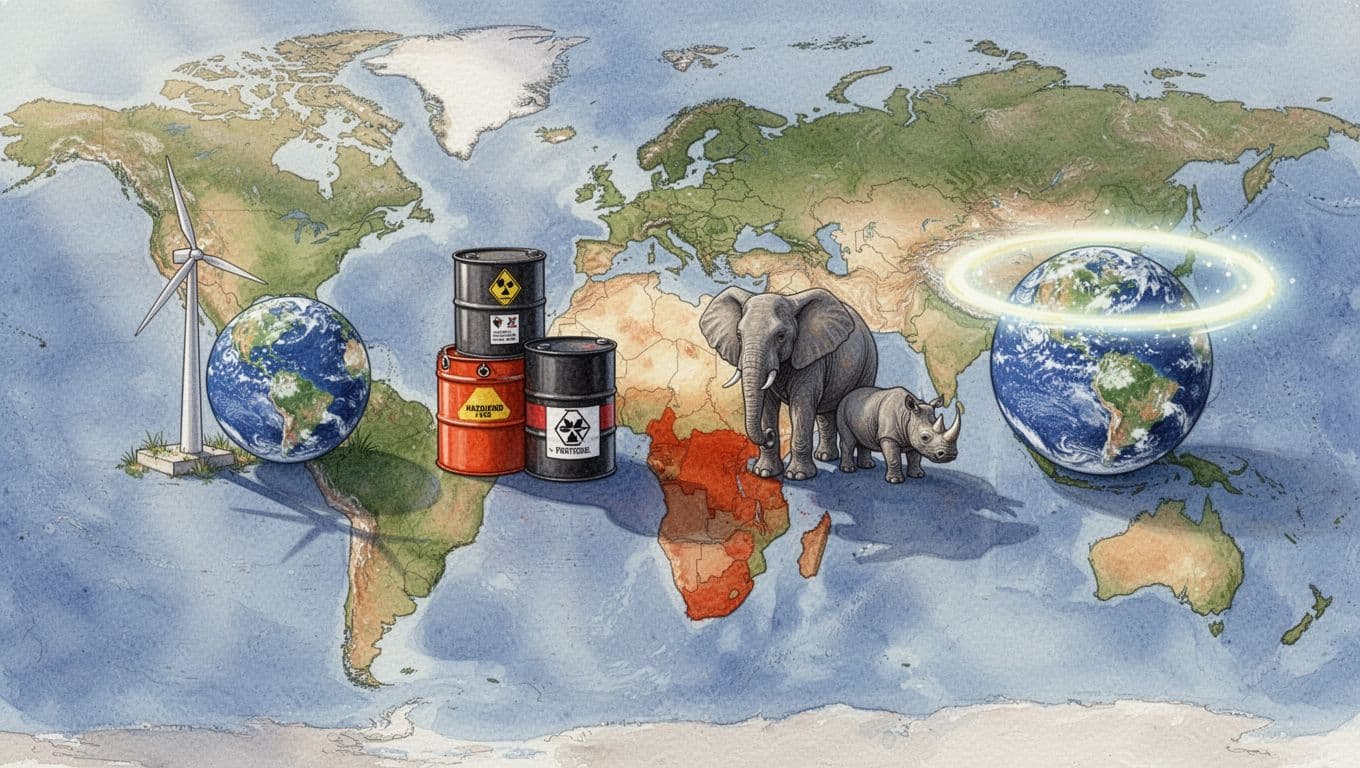
Compliance reports keep pressure on. Fines and trade bans bite. Kenya gains tech aid too. Still, gaps linger in monitoring. Yet progress shows: cleaner skies, safer animals.
Kenya’s Key Environmental Laws You Need to Understand
Kenya’s laws pack punch. They root in the 2010 Constitution. Article 42 promises a healthy environment. Article 69 orders sustainable use. Courts uphold these rights daily. NEMA enforces nationwide. Permits halt risky projects. Fines reach millions.
EMCA leads the pack. Passed in 1999, amended in 2015. It demands impact assessments for factories or mines. Pollution controls cap factory smoke. For instance, illegal dumps trigger cleanups. NEMA audits sites. Courts revoked quarry licenses last year for skips. Benefits include clear rivers. Enforcement ramps with public tips.
The Water Act 2016 guards rivers and lakes. It sets quality standards. Permits control abstractions. Dams need plans. Polluters restore or pay. In contrast, old rules let overuse dry streams. Now, basins manage shares fairly. Farmers get steady flows.
Forest Conservation and Management Act (2016) protects woods. It bans illegal logging. Kenya aims for 10% cover. Rangers plant millions yearly. Communities co-manage. Fines stop charcoal gangs. Wildlife corridors stay open. As a result, carbon sinks grow.
The Climate Change Act (2016, updated 2023) fights warming. It sets carbon markets. New 2026 rules add non-market tools like tech shares. Communities consent first. NEMA oversees registries. Businesses report emissions. Sosian geothermal case added climate checks to assessments.

NEMA ties it all. It issues licenses, probes complaints. Yet staff shortages slow inspections. Courts fill gaps with orders. For example, pipeline firms paid billions for spills. These laws empower you. Report violations hotlines work. Kenya’s framework rivals global bests. Green jobs follow suit.
Fresh Trends and Challenges in Environmental Law by 2026
Environmental law speeds ahead into 2026. Courts buzz with new cases. Tech spots hidden pollution. Yet hurdles block full wins. Kenya joins this rush. Communities fight back hard. Global shifts shape local rules. Because change comes fast, you need the latest picture.
Exciting 2026 Developments Around the World
Courts worldwide slam greenwashing. Firms face suits for false eco-claims. Airlines and fashion brands pay fines. For example, US states sue over misleading ads. Europe tightens too. New rules demand clear climate reports.
EU leads with stricter standards. They simplify disclosures under ESRS. Deforestation regs delay to late 2026. Supply chain laws spark fights. In addition, plastic bans spread. Pacts cut waste from big producers.
Carbon taxes rise. Australia and Spain force reports. Kenya eyes these models. Article 6 builds credit markets. However, leaks need fixes by year-end.
Tech aids shine bright. AI tracks emissions live. Maps show city shifts from smog to parks.

Scientists point at data flows. Factories fade; green spaces grow. Because AI spots risks early, laws enforce faster. Over 2,000 new regs hit in 2025. Firms scramble to comply. Still, these tools promise cleaner air everywhere.
Kenya’s Latest Wins and Ongoing Battles
Kenya scores court victories. Judges halt deforestation grabs. Youth lead suits for forests. Five activists, aged 18 to 25, sued in 2025. They won blocks on illegal logs. Communities now patrol edges.
EMCA tweaks hit in 2025. Plastic rules tighten bans. Factories cut single-use waste. NEMA pushes audits. In addition, climate finance flows in. Credits fund tree plants.
Communities enforce too. Villages report dumps. Courts order cleanups. For instance, a youth group blocked a land grab. They cited Article 69 rights.

These battles build hope. Because locals join in, rivers clear. EMCA updates align with global pacts. Wins stack up, yet fights continue.
Tough Obstacles Slowing Progress
Enforcement gaps hurt most. NEMA lacks funds. A KSh 3.4 billion hole starves inspections. Staff shortages leave sites unchecked.
Corruption bites deep. Bribes block probes. Officials turn eyes from illegal dumps. Land grabs scar wetlands. Poverty drives loggers. Jobs clash with bans.
Economic pressures mount. Factories need work, but pollution rises. Climate hits farms hard. Fast changes outpace rules.
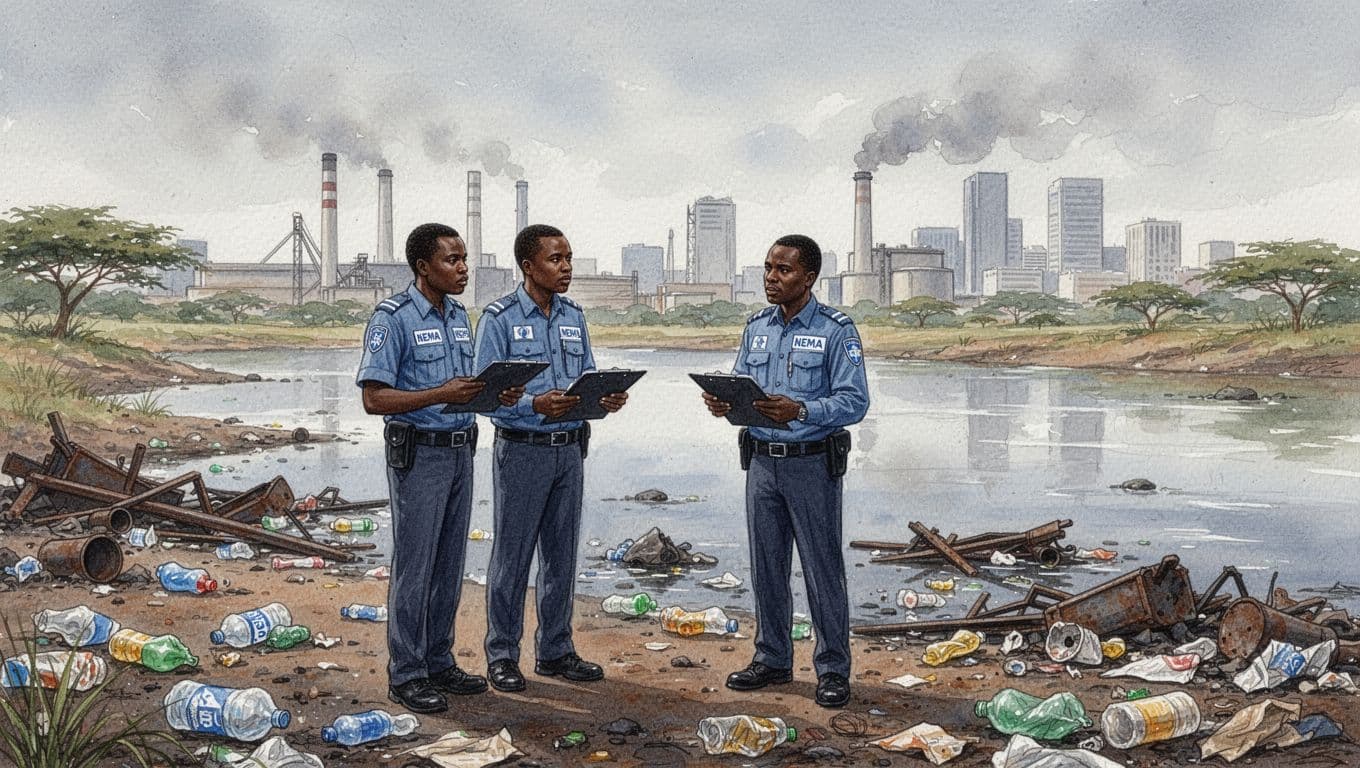
Inspectors scan debris piles. Plastics choke banks. Factories loom gray. Because cash runs short, progress stalls. Still, youth suits push back. Courts fill some voids. Kenya balances growth and green goals.
How Enforcement Makes Environmental Law Work
Enforcement turns environmental law from words on paper to real protection. Without it, polluters ignore rules. NEMA leads the charge in Kenya. Inspectors raid sites. Courts slap fines. Citizens file suits. As a result, rivers clear and forests stand tall. Most importantly, strong action deters future harm.
NEMA’s Inspections and Daily Tools
NEMA inspectors prowl factories and dumps. They check pipes for leaks. One spots murky water flowing from a plant. They halt work on the spot. In 2025, they cracked down on plastic bags. Importers got warnings. Sellers faced raids. Because NEMA acts fast, bans stick.
Public reports fuel their work. Anyone spots illegal waste? Call the hotline. Tribunals hear cases too. They speed up fines. For example, draft e-waste rules in 2026 demand recycling. Producers pay up front. NEMA’s teams sort trash at homes and shops. As a result, landfills shrink.
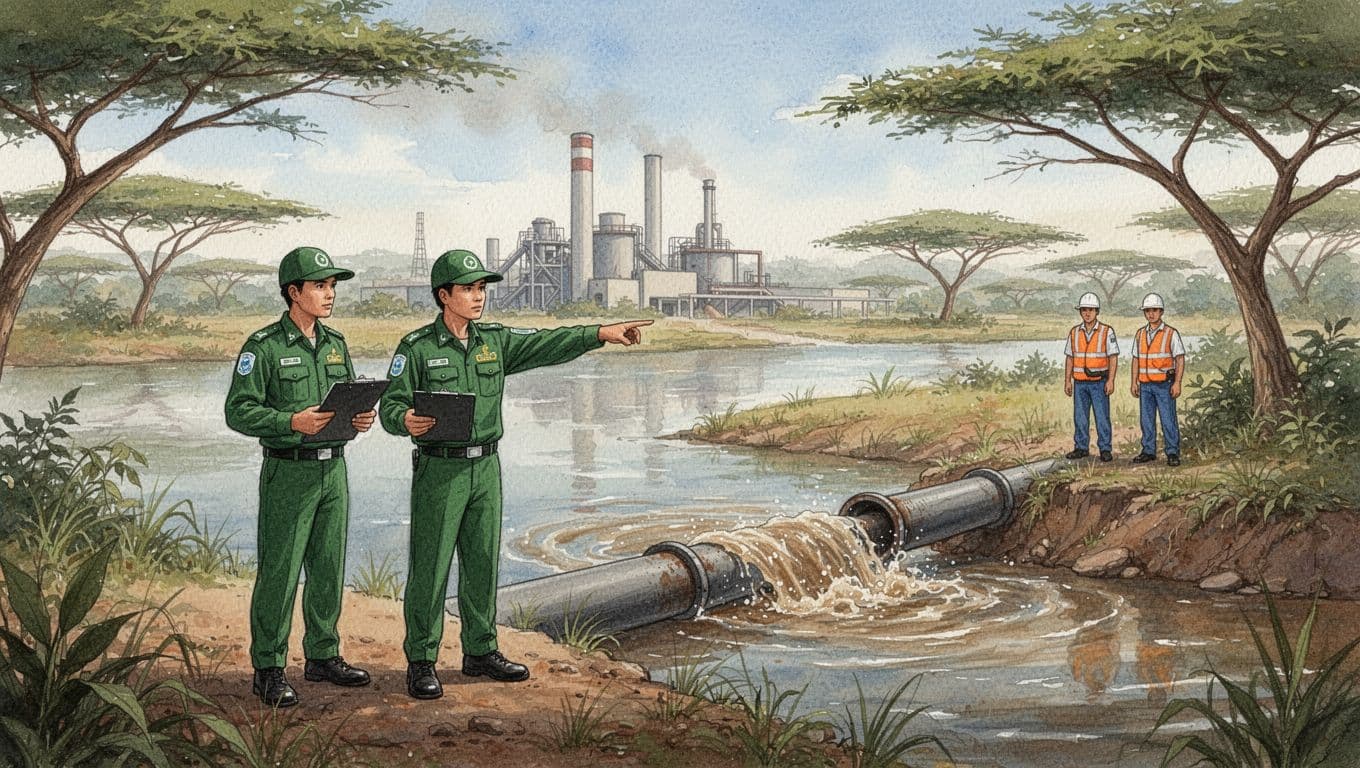
Inspectors point at violations. Factories scramble to fix pipes. Vegetation greens nearby.
Penalties That Bite: Fines, Jail, and Shutdowns
Violators pay big. Fines hit millions. Factories shut down without fixes. Jail awaits repeat offenders. Courts revoked a factory license in 2025. It skipped waste controls. Judges said no shortcuts.
Citizen suits pack punch. Locals sue NEMA or firms. In Mwangi v NEMA, a court paused waste rules. Petitioners claimed rushed rollout. However, other suits block risky builds. Wetlands near Nairobi stay safe. Developers add buffers. Most importantly, these tools force change.
Court Wins and NGO Successes
Courts shield wildlife paths. Builds halt in Naivasha without NEMA nods. Amboseli animals roam free. NGOs join fights. They fund suits and plant trees. Youth groups patrol edges.
You can report too. Snap photos of dumps. Note locations. Dial NEMA’s line. Join community watches. As a result, enforcement grows stronger. Kenya’s environmental law delivers clean air for all.
What’s Next for Environmental Law: A Brighter Horizon
Environmental law in Kenya heads toward bolder wins. Drones scan forests. AI tracks emissions. Youth push courts for change. Because these shifts build on today’s rules, cleaner rivers and thicker woods lie ahead. Kenya aims for carbon neutral by 2050. New regs promise eco-jobs and tough plastic curbs.
Drones and AI Guard the Land
Drones buzz over savannas now. They spot illegal logs or dry riverbeds fast. NEMA pairs them with ground teams. For example, rangers catch poachers before harm spreads. As a result, patrols cover more ground.
AI joins in too. Kenya’s National AI Strategy demands green reports from tech firms. Data centers track water and power use. Because algorithms flag pollution early, factories fix leaks quick. In addition, courts cite these tools in suits. Stronger rules cut waste across boards.
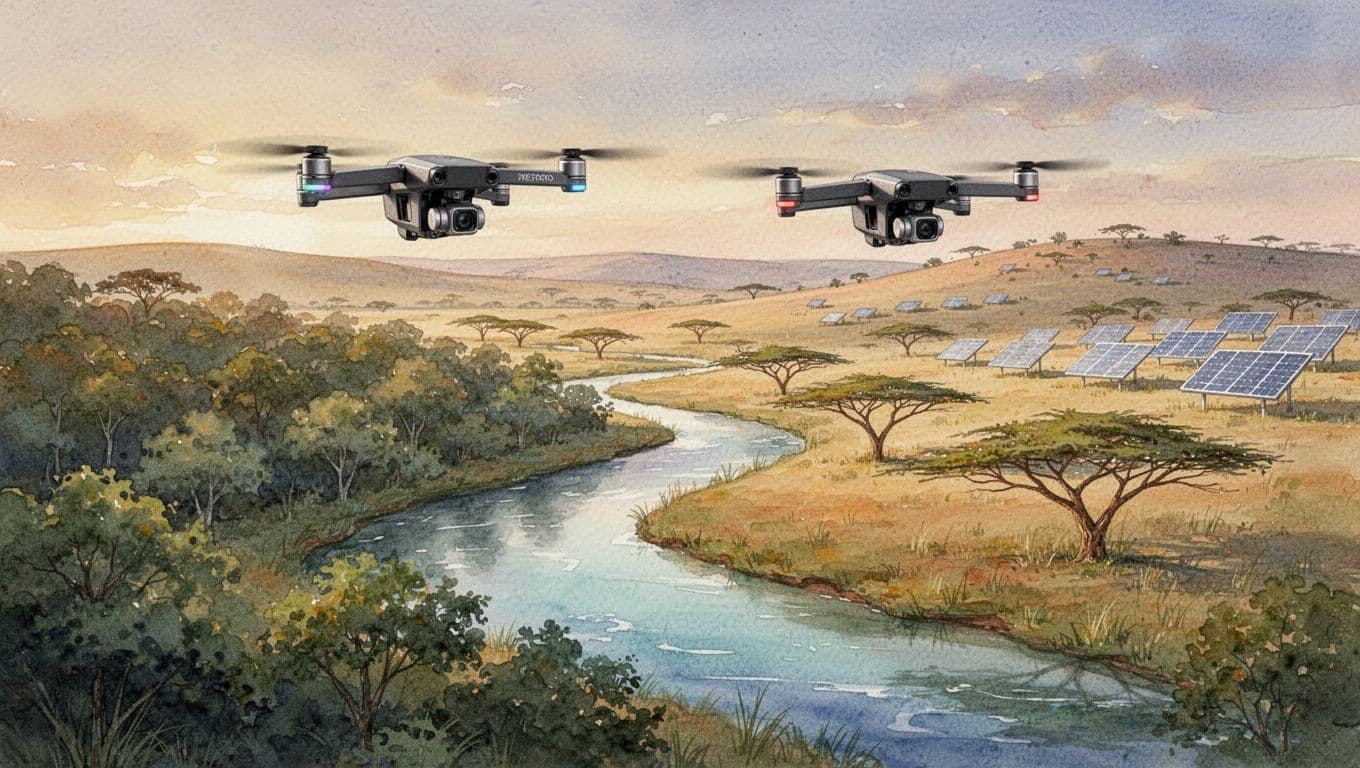
Picture skies alive with watchers. Lush hills gleam below. Tech turns data to action.
Carbon Neutral Push and Biodiversity Boost
Kenya eyes carbon neutral by 2050. The 2026 Climate Change Non-Market Regulations speed it up. They fund tree plants and tech shares without credit trades. Communities consent first. Gender counts in plans too.
Biodiversity pacts tighten. EMCA links projects to wildlife saves. Plastic rules ramp bans. Firms recycle or face fines. However, these steps shield elephants and birds. Farms adopt low-carbon ways. Because balances hold, soils stay rich.
Youth Power and Eco-Jobs Rise
Youth lead suits against coal plants. They block grabs without local say. Courts back them under Article 69. Activism sparks patrols and cleanups.
Eco-jobs bloom fast. Green projects hire for monitoring and farms. AI hubs need sustainable coders. Because rules demand it, firms train locals. Tourism swells with safe parks.
You fit in easy. Report dumps to NEMA hotlines. Join village cleanups. Plant trees on weekends. Your steps green Kenya’s edges.
Vivid greens spread wide. Acacia shades playgrounds. Rivers rush clear for fish and kids. Elephants roam thick bush under blue skies. Hope roots deep because you act now.
Conclusion
Kenya’s environmental law builds on prevention, polluter pays, and public say. These principles guide EMCA and the Constitution’s Articles 42 and 69. Courts enforce them with wins like river cleanups and wetland saves. As a result, polluted waters run clear again. Fish thrive. Crops grow strong.
Laws such as the Water Act and Forest Conservation Act shield rivers and woods. NEMA inspections and fines deter harm. Trends like carbon rules and AI monitoring boost protection. Youth suits block grabs. In addition, communities patrol edges. Forests thicken under these shields. Because enforcement works, Kenya leads green fights.
You play a key role. Report dumps to NEMA. Join tree plants. Speak at public hearings. These steps save rivers from sludge. They keep forests for elephants and kids.
A clean world starts with you.
Share this post to spread awareness. Contact environmental lawyers at Tangara Advocates for advice on your rights.